Here I am with my 22nd post for #BlogchatterA2Z challenge. Visual Communication is the key to manage positive image. As you all know Image Management is all about developing your inner strength and at the same time reflect them on the outside through appearance. While reflecting the inner strength outside one needs to create powerful first impression with stronger visual communication through appearance.
Verbal communication depends on words and sound. Nonverbal communication occurs through sight and touch. It is silent, visual communication, an immediate and important communication skill that plays a major role in everyday interaction. Call it what you like, your visual image, personal appearance or self presentation communicates to one and all within view, as well as to yourself. You cannot NOT communicate! Your clothes make a statement without saying a word. Your clothes speaks before you do.
This is my 21st Post for #Blogchatter A2Z challenge and as promised today I will be sharing tips to accessorize according to your face shape. Please checkout my previous post on Face Shape Evaluation , to know your face shape. One thing I would like to share before I begin with the tips, there are many faces which are of a combination, making typical shape name impossible. Identify whether the face is rounder, straight, longer, shorter, wider or narrower than ideal.
Once you have determined your face shape, you can start to determine what looks best on you. From glasses and earrings to hair and makeup, these are the ideals to help you look your best!
There are general rules that apply to any face shape that can be extremely helpful:
This is my 20th post for #BlogchatterA2Z challenge. Today I am sharing with you different Types of Face Shapes. All those who are reading my post do analyze your face shape by reading my guidelines. Once you are done..stay tuned to my next post where I will be giving you tips on right kind of accessories, neckline, eye wear and haircut for all types of face shapes to look appropriate and attractive.
There are some things about your body that you should know for example: your blood type, things you are allergic to, and your face shape, to name a few. The last one may seem like no big deal, but knowing if your face is oval, square, or round can help you get a more flattering haircut, look more natural when you get fillers, find perfectly fitting glasses, accessories that suits you and makes you look more attractive and neckline in your clothing which looks more appropriate.
This is my 19th post for #BlogchatterA2Z challenge. And I am really excited to share with you all, “The International Style Scale” which was introduced by Judith Rasband . It shows the art and science of dress with style and integrity. This style scale helps to know that there are differing degrees on a continuum or scale between dressing up and dressing down, between formal and casual dress in work place.
We need to become aware of the factors or variables that account for difference in dress and the statement or message that clothes communicate to you and to others. These factors are the elements of design, lines, shape, colors, texture and patterns.
It is a fact of life. We have expectations about people’s clothing and appearance for specific times and occasions based on what is socially and culturally acceptable for the time and place, or upon experience alone. For example, you would interpret a man dressed in tuxedo seen on the occasion of wedding differently than if your see the man wearing a tuxedo on the occasion of an informal backyard barbeque, and still differently if you saw him in a tuxedo and mask on the occasion of Halloween party.
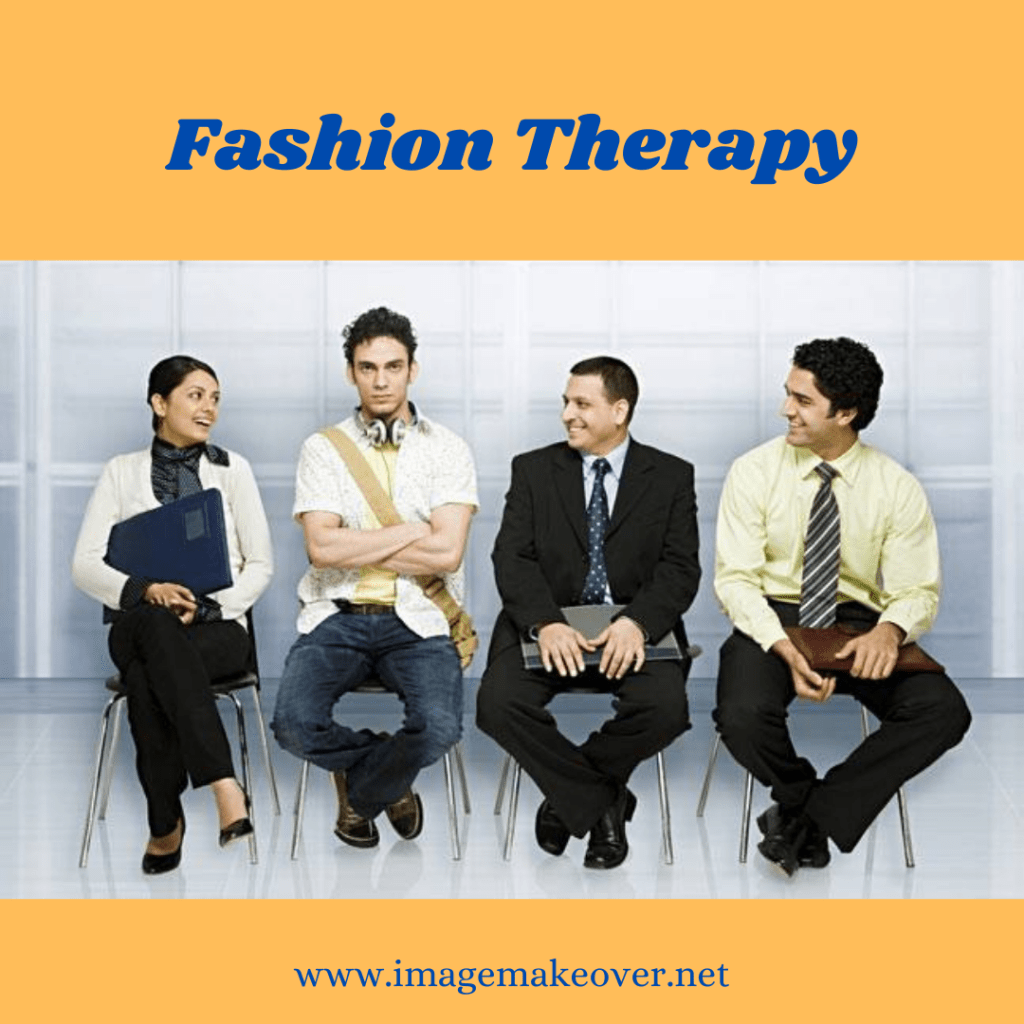
Value conflicts between people, such as parents and child or employer and employee can occur because the individual disagree on their expectation of appropriate dress. The workplace is known for attention to professional appearance. Not all people want to comply, and yet by dressing to meet the expectations of those you work for and with, you can create a more positive first and lasting impression about yourself and your abilities. You can establish or maintain your credibility and exert a more significant influence.
Now here I am with my 18th post for #BlogchatterA2Z challenge. Today I will give you tips to get that perfect fit that you are looking for in dressing.
Where there is a will there is an “Attitude”!
Learn to accept yourself as you are, never let your weight get in your way.
Learn to dress the body you are living in now – today.
Learn that you don’t have figure flaws nor figure faults. You have figure variations, variations from that so called ideal that doesn’t really exist.
Learn to sit, stand and walk tall
Learn that it’s not just to look slimmer, but to look well proportioned and balanced.
Learn that it’s a matter of emphasis, how to counter and camouflage.
Learn that it’s not just the clothing style lines and shapes but fabric, and patterns as they interact to influence your goals.
Learn that it is not just the piece of clothing you choose, but how you put them together.
It is not what you wear, it’s how you wear it-it’s all in the wearing!
This is my sweet 16th post for #BlogchatterA2Zchallenge and here I am with one of the most important and critical aspect in Elements of design. And it is all about Principles one needs to follow or know about various elements of clothing designs. Design principles are a way to give structure to design work and meaning to the piece.
Balance
An asymmetrical figure can appear more nearly symmetrical and well balanced when wearing clothing with asymmetrical lines or shapes, or be wearing the clothing in an asymmetrical way. The asymmetry of the body becomes less noticeable as more attention goes to the clothing where in clothing becomes dominant and body becomes subordinate. Men’s shoe jackets and sportcoats are designed with hip pockets on both sides of the jacket and a chest pocket on the left side of the garment to create asymmetrical balance. A boldly patterned skirt can balance the appearance of a larger bust area, while a patterned scarf or skirt yoke can work to balance larger hips and legs. Larger areas of color can become tiresome and larger areas of bright color can even become bothersome. The law of areas is a time tested guidelines that states larger areas of color are more pleasing if balanced in combination with proportionally small areas of another color.
Proportion and Scale
To appear balanced, the size of clothing and accessory shapes needs to be in proportion and scale with the body size and shape or form, including the bone structure. Compare the size of the body and the size of clothing and accessories, their overall size and the size of each detail. For example, the smaller the body and bone, the smaller and fewer the design details must be. If proportionally too large, they appear to overwhelm a smaller body. Size, however is relative. What appears large on a small scale body may appear small on a large scale body. Select fabric textures that are proportionally in scale with your figure. Thick, bulky, heavy fabrics on a small figure will over power the person because of the exam contrast in size and weight. Mission is the guide word.
Rhythm and Emphasis
Interior shapes can repeat and reinforce or contrast and counter the outline of the garment or the body. Your choice to reinforce or counter the body depends on your judgement about your body and on your fashion goals. Interior shapes can influence the appearance of height, width and weight, depending on placement, size and line direction. Angular shapes repeat and emphasize the animosity of the body. They counter the roundness of the figure. Curved shapes repeat and emphasize rounded body curves. They counter of soften the angularity of a figure. Interior foreground shapes call attention to themselves and to the specific area they are placed. They can also draw or divert attention away from a specific body area. Use them only in place where you want to draw attention and therefore emphasize. Texture can be used to draw attention away from a particular figure variation and towards a more flattering area of emphasis. Structural and decorative lines that are well placed lead the eye throughout the garment in a smooth, continuous, rhythmic movement. They do not compete with one another for attention.
Harmony and Unity
Related areas, shapes or forms should be consistent. Interior structural and decorative lines on the top of a garment should line up with those on the bottom. When they don’t, vertical eye movement is interrupted and attention goes to the horizontal jog, emphasizing width. To know more about harmony you can see here.
The principles of design are the rules a designer must follow to create an effective and attractive composition and buyers should consider these principles while buying, to look more attractive and presentable.
Here I am with my 15th post for #BlogChatterA2Z challenge. An illusion is a false perception or interpretation of something we see-through something that describes our eye when we look at it. An illusion makes something look quite different than it really is. Regardless of the facts, and according to our mind’s eye, we tend to believe the illusions.
Let’s talk about Optical illusions in elements of design-
Fabric and Texture
Fabric and texture can be manipulated, steamed and layered to create illusions. A general goal is using clothing as a resource is, you select and arrange fabrics and textures in ways that enhance the body, in ways that makes the figure appear more nearly ideal. Fabrics can be used in ways that emphasize the most attractive lines and shapes of the body, and camouflage or counter those body lines and shapes you consider less attractive, in effect minimizing or eliminating them. Thick, bully, fuzzy or fluffy fabric can be expected to add visual weight to the body.
For example firm fabric tends to hold or support a garment’s shape, allowing the garment shape to be dominant, while a thin, soft, drapable fabric can fall closely around the body, now allowing the body form to become dominant. Differences in fabric texture cause garments of the same style look quite different when made up in deferring fabrics.
Shapes
A general goal is using clothing as a resource is you select and arrange design shapes in ways that enhance the body, in ways that makes the figure appear more nearly ideal. Clothing lines and shapes can be used in ways that emphasize the most attractive lines and shapes of the body and camouflage or counter those body lines and shapes considered less attractive, in effect minimizing or eliminating them. You can modify or alter the illusory effects of shape with your use of the interrelated elements of design: line, color, texture and pattern. This requires you to plan and evaluate the effects of each element in the total design.
For example bigger floral shapes on any garment makes you look broader and bulkier while small shape floral patterns can reduce visual size and weight of your body.
Line
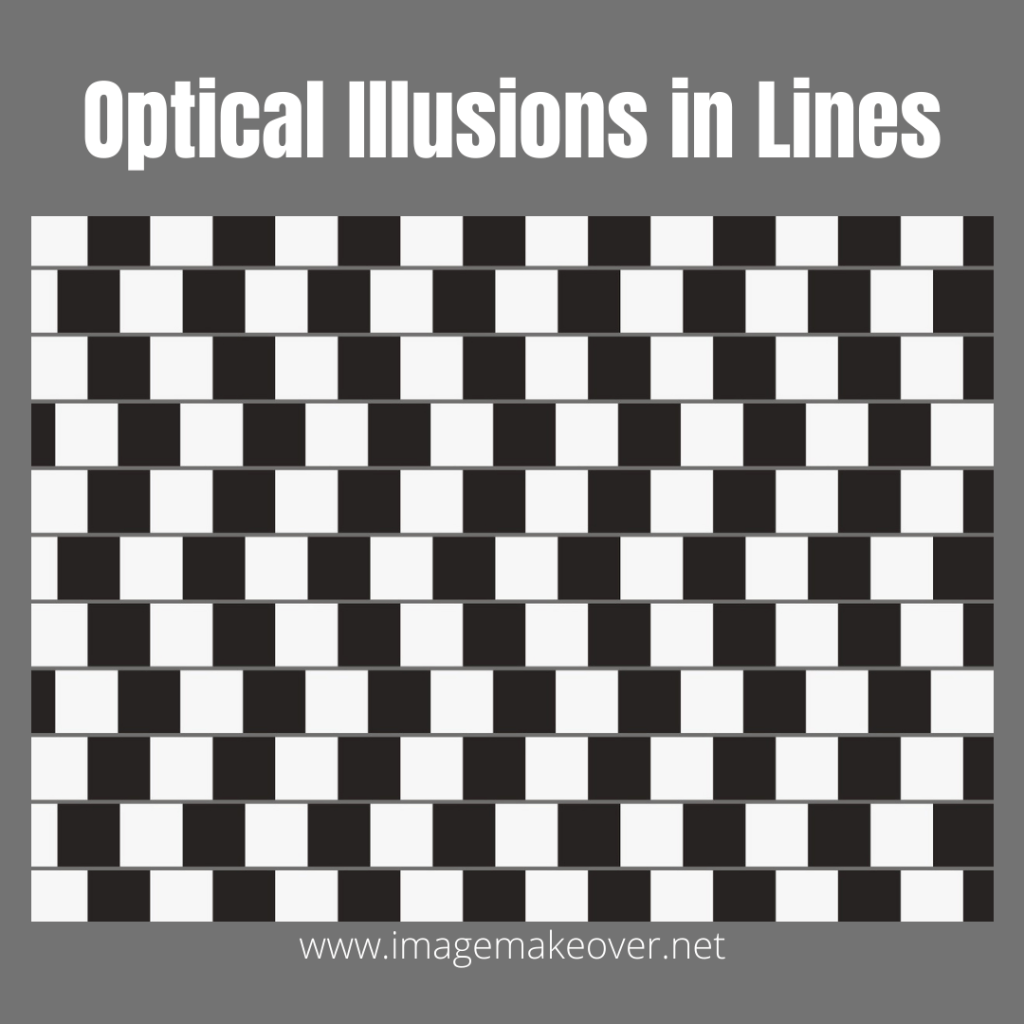
Line can be created, arranged and controlled to create illusions. Be aware, however not everyone perceives optical illusions in the same way or to the same degree and some not at all. Depending on eyesight, cultural background, personal experience, attitude and imagination, perception will vary. A general goal in using clothing as a resource is to select and arrange design lines in ways that enhances the body, in ways that make the face and figure appear more nearly ideal. Use clothing lines in ways that lead the eye or direct attention where you want it, that emphasize the most attractive lines of the body and camouflage or counter those lines we consider less attractive. Optical illusion are easier to control if you learn some of the illusions that relate directly to clothing. It is reassuring to know that specific type and directions of lines can be relied on to create specific effects or illusions. When you know what illusion you want to create, you will know better how to do it.
For example. To add visual weight and widen a thin upper torso, choose a rugby shirt with its wide horizontal stripes, or to visually lengthen and slim a thick midsection, choose a long vertical, center front zipper closure, or to visually slim a full rounded body, don’t dress it in full rounded clothes, counter the roundness with straight design lines.
Pattern
A fabric weave or surface texture often gives the appearance of a pattern or vice versa, the fabric pattern creates a definite visual texture. In all cases, either the pattern, the surface texture or the light reflection factor must be dominant.
For Example, corduroy creates textural stripes. Gabardine forms a diagonal twill, so does denim. A vertical cable knit creates stripes in a sweater. A jacquard weave can introduce beautiful textured flowers on cotton, linen or silk.
Color
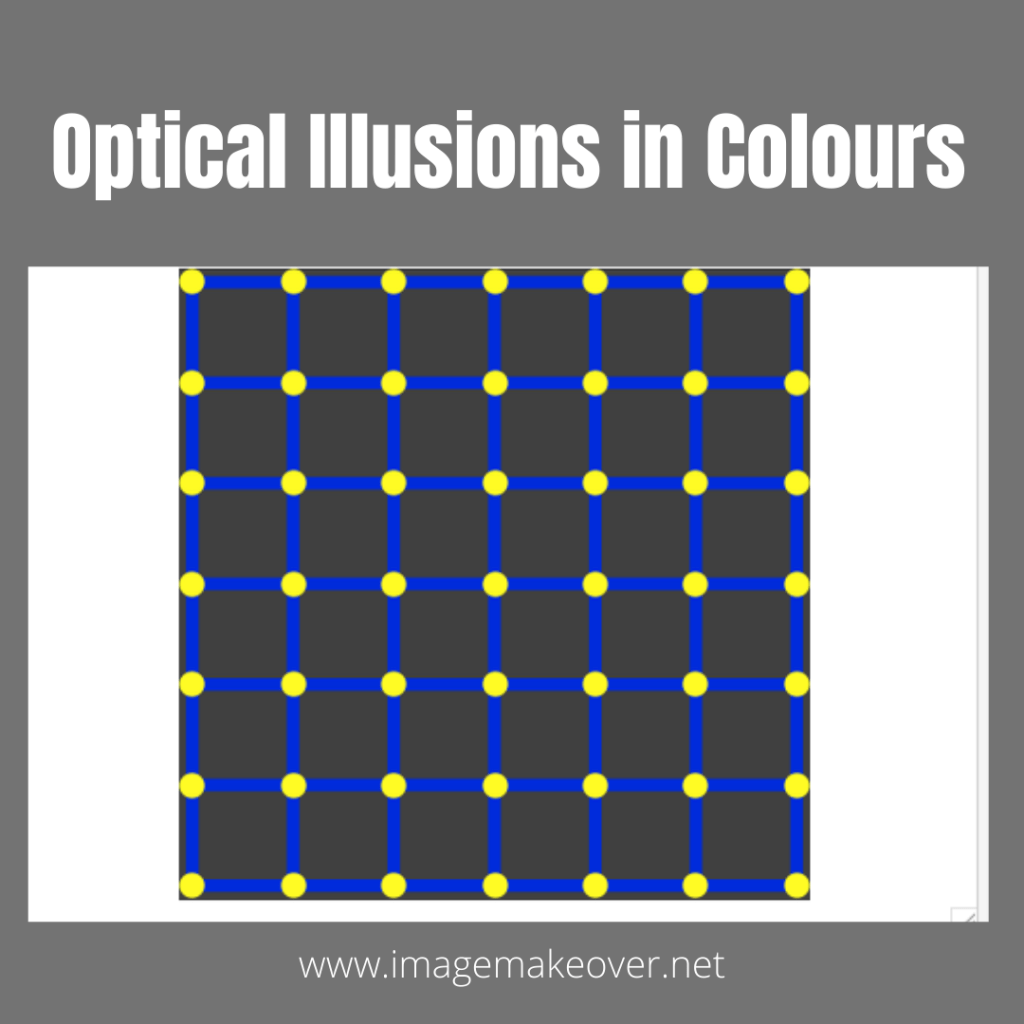
Color is very good at creating illusions. Regardless of the facts, and according to our mind’s eye, we tend to believe the illusion that color creates. By recognizing the illusions that color create, you can select and arrange to create the illusions you want, they can be used to reinforce attractive personal coloring or undesirable effects of colors. Colors are seldom seen alone. They appear to change as they are seen in combination with other colors.
Warm colors can make cool colors appear cooler. Cool colors can make warm colors appear warmer. For example blue-green eyes may appear more green when blue clothing or eye shadow is worn. Light colors can make medium to dark colors appear darker. Dark colors can make medium to light colors appear lighter.For example, facial skin will appear lighter next to dark colored clothing. Bright colors can make medium to dull colours appear duller. Dull ,muted colors can make medium to bright colours appear brighter. For example, medium blue eyes will appear brighter when a slightly duller blue sweater or eye shadow is worn and vice versa.
The size of a colored area has marked influence on the way the color will be perceived. The larger the colored area, the more consistent the color will appear. The smaller the area , the more easily it appears to change.
Hope this information can help you create the right illusion you want to create.
Here is my 14th post for #BlogchatterA2Z challenge. This is something which every Image Consultant has to do before he/she recommend anything to his/her client. And that is “Need Analysis of client’s Personal style and Lifestyle”.
Long before you begin planning a cluster, go shopping, or evaluate your wardrobe, you need to identify the factors contributing to your own lifestyle and personal style. We have more clothing options today than ever before. The time is right to choose what works for you, for the way you live and the way you need or want to look and be seen. To guide you in your choices, examine your lifestyle and personal style.
This this my 13th post for #BlogChattetA2Z Challenge and I am half way done. Three cheers for all the challengers and Blogchatter.
Let me tell you an instance that made me realize little makeup is not bad if that can uplift the way you feel, act and others response towards you.
I have always maintained that without a bit of makeup, I am at plain as a “mud fence”. I was in a hurry one Saturday and decides I couldn’t take time to put on my face. I was feeling good about life in general, so I headed out on errands add my very plain, unpainted self. Minutes later, in a local department store, I was confronted by a former student. “Swati ma’am, she loudly exclaimed for the whole store to hear. “It really you! How marvelous. You really are as plain as you said you were! “
I smiled at smug looking shoppers, thought beautiful thoughts, reminding myself that beauty comes from within and bear a hasty retreat.
This is my 12th post for #BlogChattetA2Z challenge. Fashion therapy is another conceptual reference to image management, a master of static dressing with as much attention directed to the effects of clothing on the wearer as on the response of others. Clothing functions to provide you with needed change, variety, interest and zest in daily living, a welcome relief from what might otherwise become the sameness of everyday. A range of clothing from casual to relatively dressy, allows you to use your clothes effectively in this manner.
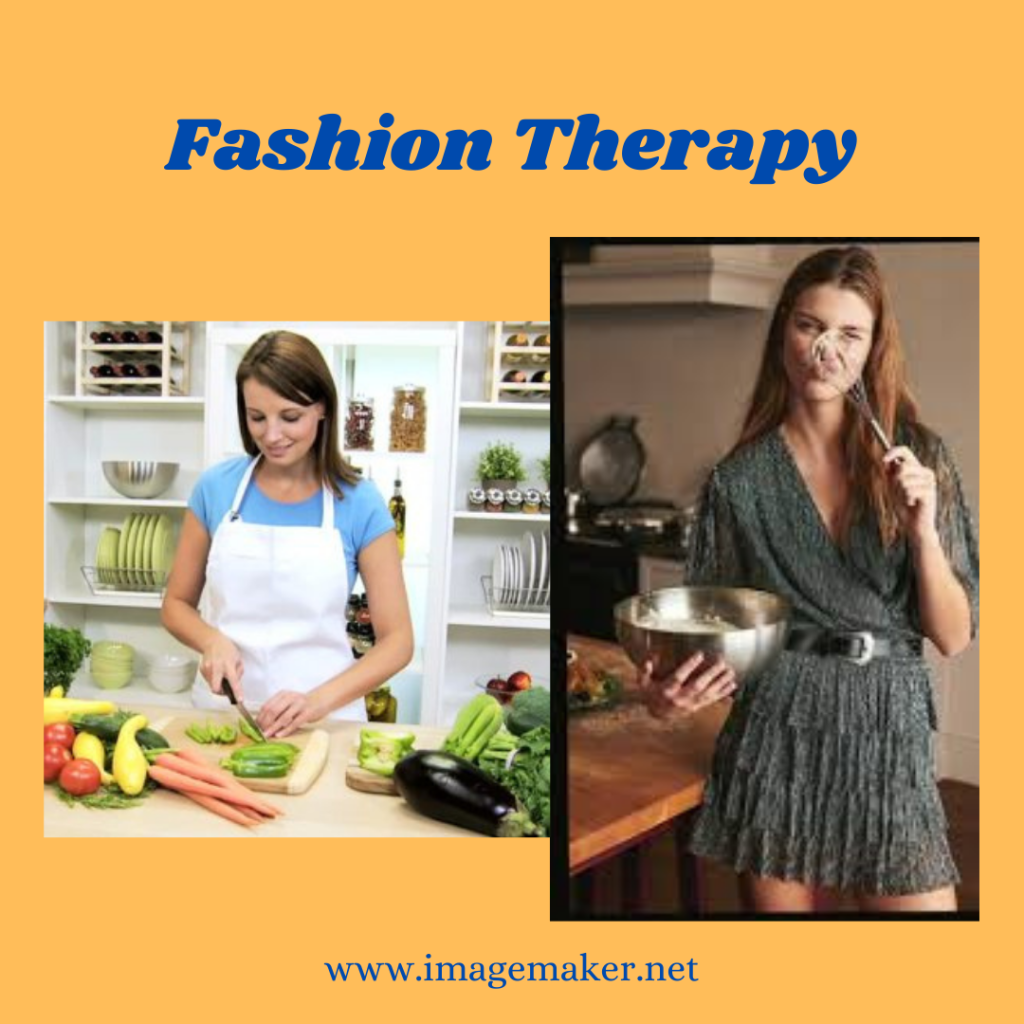
For example “Shikha experiences a release from her everyday take as a homemaker and mother by dressing up in the evening a couple of times a week. Sometimes it is only to share the evening meal with her family. But wearing a soft skirt, casual dress or nice slacks and top, makes the ordinary occasion suddenly special. Her family senses it to and behaves accordingly. It works. Come the weekend, she plans something to make Saturday night special, and wears something equal to the evening.
People often get so caught up, however, on fashion for the sake of fashion and fads they forget about function. In fashion therapy clothing is used as a resource that literally empowers you with a better ability to think, feel and do the things you want to. Looking better always helps to solve problems related in some way to personal appearance.
For example, “Riya is a graduate student who lives with rheumatoid arthritis a progressively disabling disease. Due to limited arm movement, she requires easy on and off clothing with front openings. She is conscious of the weight of her clothes as heavy clothes make her shoulders ache. Because her elbows will no longer straighten, she prefers to wear long sleeves blouses and dresses, which make the problem unnoticeable to others. She wear very little jewelry, particularly rings, because they draw attention to her hands. She looks for shoes with lower heels to afford her balance and to provide support and comfort.
From all this one of the most important thing which I have learned is when not feeling well is to keep yourself looking well.“if you feel like a cabbage, but look like a rose, I don’t think of myself as a cabbage”.
Parents can effectively manage the appearance of young children with far reaching results.
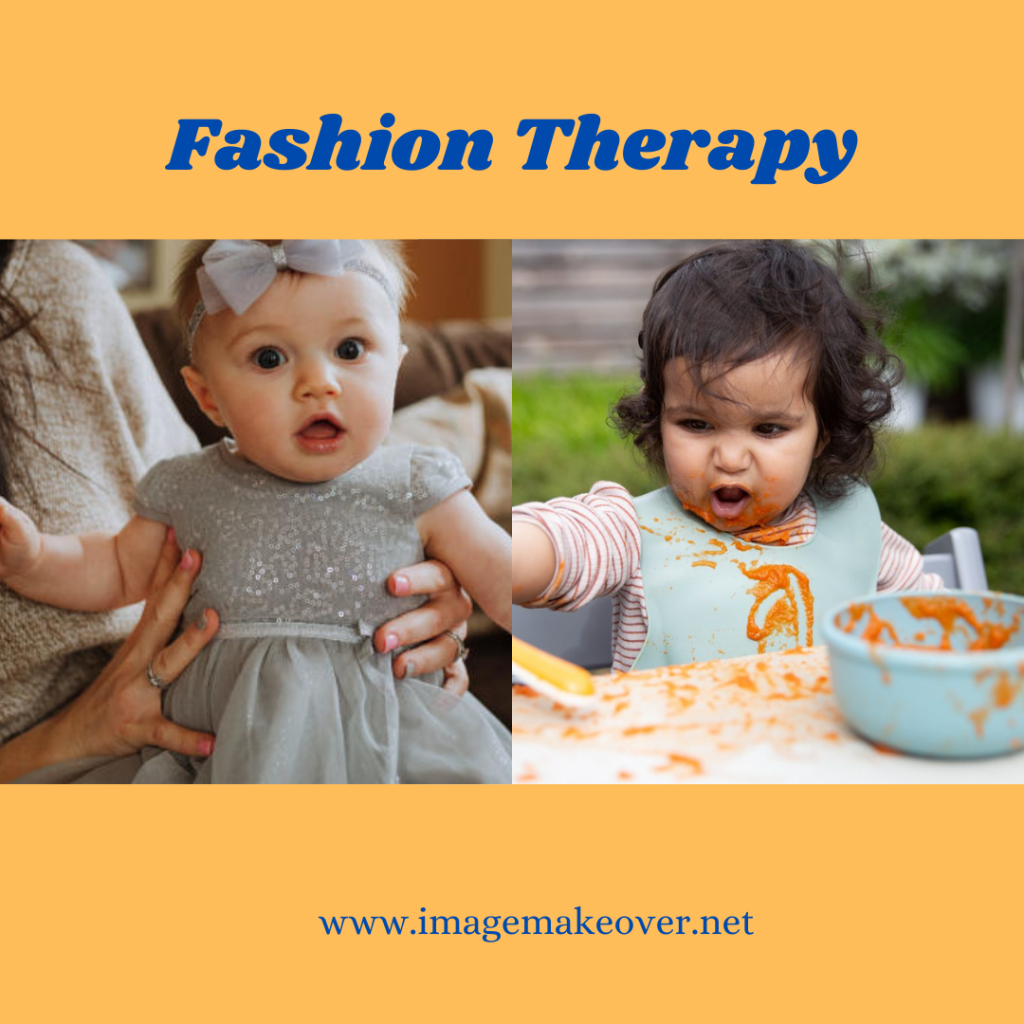
For example one young mother shared a surprising discovery she made regarding her attitude towards her two youngsters. She discovered when they were left with food on their faces and were sent to play in dirty T-shirt and messy, mismatched pants or diapers, she almost expected them to get into mischief and misbehave. She frequently found fault where there was none, and she was less apt to cuddle and kiss them. She was also less tolerant and more short tempered. However, when she took care and managed to clean and dress them up, she found she had a more positive attitude about their behavior. She was more apt to bestow a hug and a kiss. She was also more tolerant and even tempered. She noticed the same reaction from visitors to the home and from the children’s father at the end of the work day. This is what she has to say -“If the appearance of my children can make that much difference in unconscious response to them”, she chuckled, “it’s well worth a time and attention to keep them looking a little nicer”.
Somewhere in the course of history people got the mistaken idea that the subject of dress and grooming applies only to a women and teenage girls. Not so.
For example, one of my client (My student now working with MNC) who was a young mind came to me disturbed over his difficulty in adjusting to a new job. He claimed he was being treated like an errand boy. As I looked at him and his clothing it was apparent why this could be happening. He was small in stature and had a narrow jaw. His hair was parted in the middle and he wore round, gold rimmed glasses. Basically inappropriately dressed. Considering his professional ambition, some changes were in order. We moved the part in his hair to one side. New glasses were ordered which sits his face shape, new suit was ordered which can give him a more assertive look. He not only looked more mature, confident and capable, he felt that way. Men should not underestimate the influence of their appearance upon their success, both personally and professionally. A little attention to appearance will go a long way toward helping them to achieve their goals. This, too is fashion therapy.
In all cases, learn to manage your clothing as a resource, a tool to help you think, feel and act your personal and professional best, to create a positive First and lasting impression about yourself. While their is no great mystery surrounding clothing and image management, some people seems to have more natural talent or ability. They always seem to look attractive, appropriate and absolutely terrific. Others have to work at it a bit. Thegood news is that clothing management skills can be learned then practiced to become almost automatic. Resolve now to take charge and make your clothes work for you in all situations.