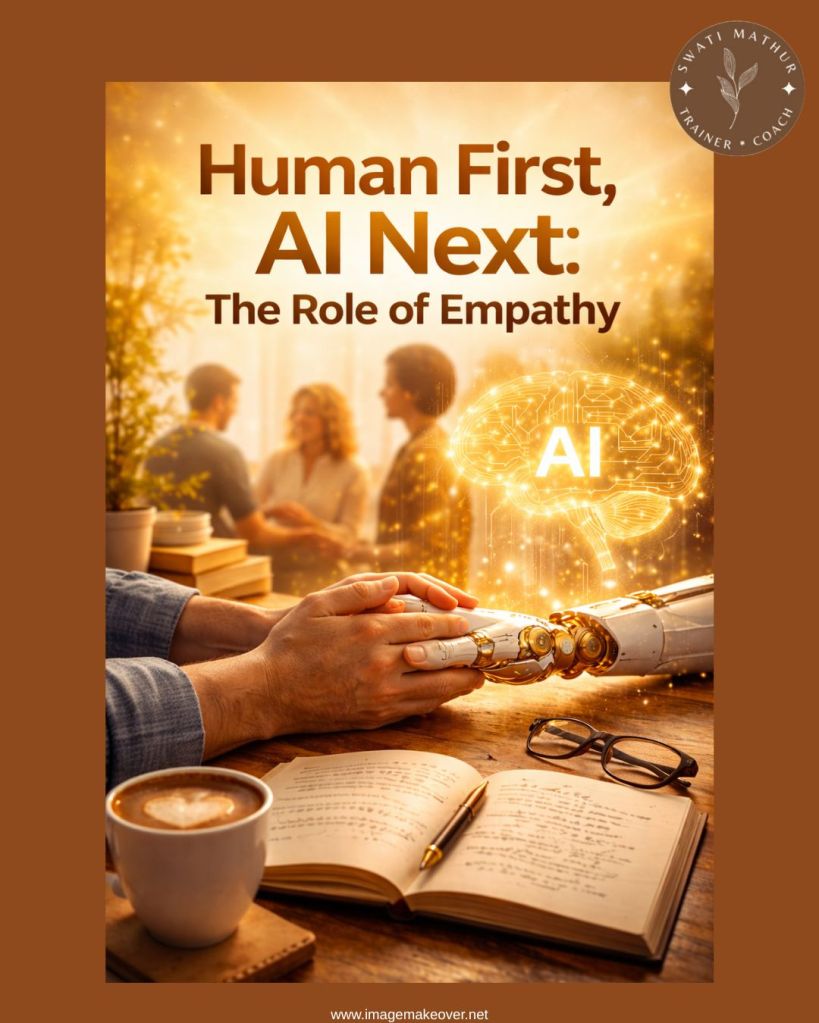
Human First, AI Next “The Role of Empathy” Because #EmpathyMatters

In a world driven by algorithms and automation, one human quality stands out more than ever is empathy.

AI can analyze behavior, predict preferences, and even simulate conversations. It can detect sentiment in text, recommend products based on past choices, and respond instantly. But it cannot truly feel. It does not understand pain, joy, struggle, or hope in the way humans do. And that is where empathy becomes our greatest strength.

Empathy: Beyond Data

On one hand AI works on data and on other hand empathy works on understanding.

Data can tell you what is happening while empathy helps you understand why it really matters. For instance, an AI system may detect that a customer has made multiple complaints. It flags the case as “high priority.” But a human, listening to the tone of the customer, may realize that the frustration is not just about the issue but about feeling unheard. That difference changes the response. AI may prioritize speed but a human adds care, patience, and reassurance. This is why empathy creates connection, not just resolution.

A well-known quote by Maya Angelou captures this beautifully:

Let’s understand this better with the example. An AI chatbot responds instantly “We apologize for the inconvenience. Your request is being processed.” But a human representative says: “I completely understand how frustrating this must be. Let me personally make sure this gets resolved for you.”

Both responses may solve the problem but only one builds trust.

According to studies in customer experience, over 70% of customers say they stay loyal to brands that show understanding and empathy. Speed matters but emotional connection matters more.

Empathy Matters More Today

As AI takes over repetitive and technical tasks, human roles are evolving.

We are moving from-

  • Task-based work to a Relationship-based work
  • Execution to Interaction
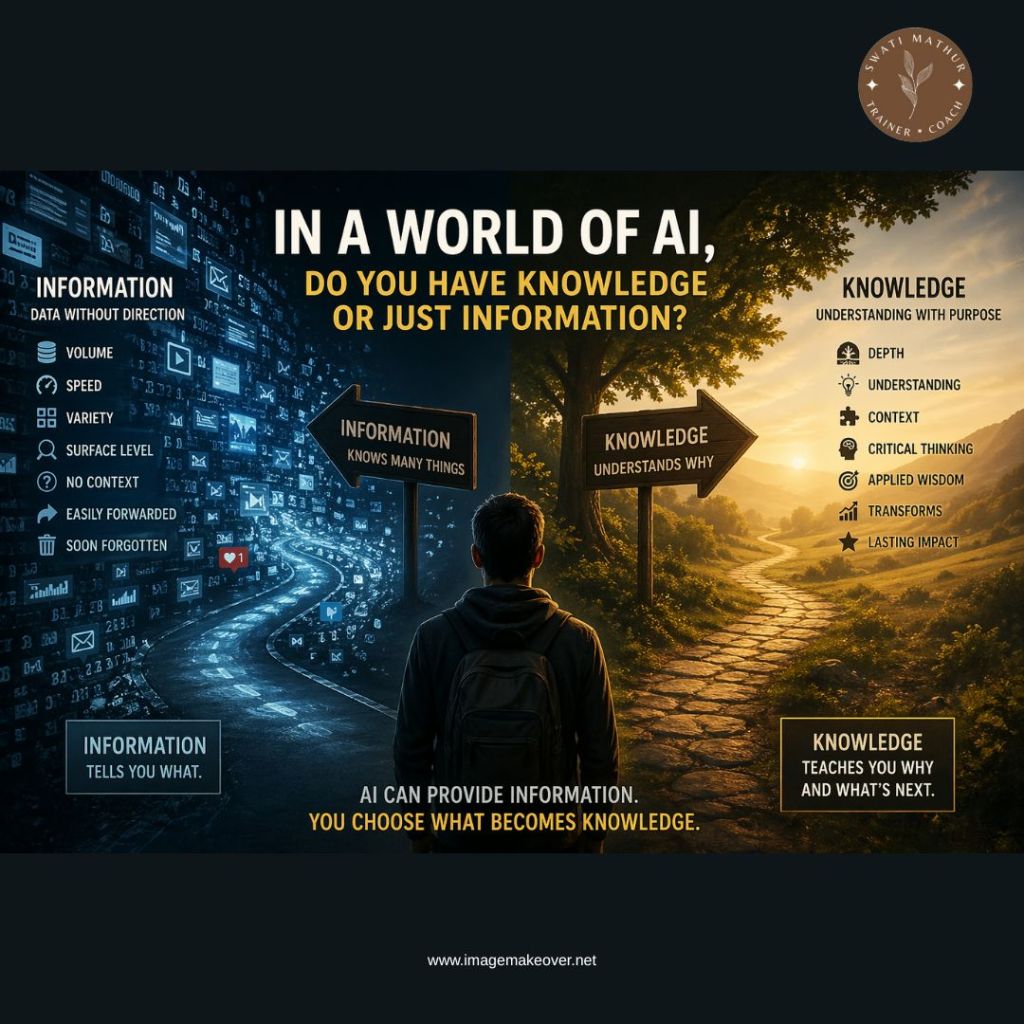
  • Information to Understanding

Empathy helps us in many ways be it-

🔹 Building Meaningful Connections

In a digital-first world, genuine human connection is becoming rare and therefore more valuable. For example a teacher using AI tools to prepare lessons can deliver information efficiently. But a teacher who understands a student’s fear, hesitation, or lack of confidence can truly impact their learning journey. Empathy turns communication into connection.

🔹 Communicate Effectively

Effective communication is not just about clarity, it’s about sensitivity.

For instance, a manager delivering feedback without empathy may sound critical. The same feedback, delivered with empathy, becomes constructive and motivating.

Empathy helps you choose, the right words, right tone and right timing.

🔹 Lead with Understanding

Leadership in the AI era is not just about making decisions, it’s about making humane decisions.

For example, an AI system may recommend layoffs based purely on efficiency metrics but a leader will always do with empathy by considering the human impact, alternative solutions and by long-term morale. Empathy ensures decisions are not just smart, but also responsible.

As Satya Nadella (CEO of Microsoft) once said

Empathy in Everyday Use of AI

Even when using AI, empathy quietly shapes the outcome. When you are creating a content AI can generate it quickly but empathy ensures it resonates. For example, If you’re writing for students, empathy helps you to simplify language, address their confusion and make content more relatable. Without empathy, content may be correct but not impactful. When you are Teaching or Explaining AI can provide explanations, but empathy helps tailor them. For example a curious learner may need depth on the other hand a struggling learner may need simplicity and encouragement. Empathy allows you to adjust and not just deliver. While making decisions AI often reduces people to data points numbers, patterns or probabilities.But humans are more than data. For example a hiring algorithm may reject a candidate due to lack of keywords but a human may recognize potential, passion, and adaptability. Empathy ensures we don’t lose human value in data-driven decision.

Think about a time when someone truly understood you when they listened without interrupting, responded without judging, and supported without conditions.That experience stays with you forever. Now imagine a world where every interaction is efficient but emotionally empty. That’s the gap empathy fills. AI may improve efficiency, process information, stimulate responses and can process information but empathy improves relationships and create meanings. Empathy builds trust because in a world of smart machines, being human is your greatest strength.

Staying Ahead in Today’s Fast-Paced World: The Key to Success

In an era where change is the only constant, staying ahead requires agility, adaptability, and a forward-thinking mindset. The rapid evolution of technology has presented both opportunities and challenges, making it imperative for professionals to equip themselves with the right tools and skills. Among the many factors influencing success, three crucial elements stand out: Artificial Intelligence (AI), Soft Skills, and the Willingness to Embrace New Tools.

AI has redefined the way industries operate, transforming everything from business processes to customer interactions. What was once the subject of sci-fi fantasies is now an everyday reality, with AI-powered tools seamlessly integrating into our personal and professional lives.

For instance, global giants like Amazon and Netflix leverage AI-driven recommendation systems to enhance user experiences, while tools like Grammarly and Hemingway Editor assist writers in refining their content. Similarly, AI-powered chatbots streamline customer service, predictive analytics aid in decision-making, and automation tools help businesses enhance efficiency.

Understanding AI and its applications is no longer optional—it’s essential. Professionals who embrace AI can automate mundane tasks, improve productivity, and gain data-driven insights that drive smarter decision-making. Staying informed about emerging AI trends and developing AI literacy can give individuals a competitive edge in today’s job market.

While hard skills provide the technical expertise necessary to perform specific job functions, soft skills are what set professionals apart in the modern workplace. As automation and AI take over repetitive tasks, the importance of human-centric skills has never been greater. Soft Skills—such as emotional intelligence, adaptability, communication, and leadership—are now recognized as key differentiators in professional success.

In workplaces driven by collaboration, professionals with strong interpersonal skills can effectively manage teams, navigate conflicts, and build lasting relationships with colleagues and clients. Creativity and critical thinking also play a pivotal role, allowing individuals to solve complex problems and contribute innovative ideas in an increasingly automated world.

Nothing can replace hard skills, as they form the foundation of any professional expertise. However, possessing strong soft skills enhances one’s ability to apply technical knowledge effectively. Investing in Soft Skills is just as crucial as staying updated on technical advancements. Developing leadership abilities, honing communication skills, and practicing empathy can enhance one’s career prospects and foster a more inclusive and effective work environment.

Technology is evolving at an unprecedented pace, and professionals who resist change risk falling behind. To stay ahead, embracing new tools and acquiring relevant skills is essential.

For instance, marketers must stay updated on emerging social media platforms and digital marketing tools to engage audiences effectively. Similarly, software developers need to learn new programming languages and frameworks to remain competitive in the industry. Even traditional sectors like finance and healthcare are adopting tech-driven solutions, making digital literacy a must-have skill.

Continuous learning and upskilling help professionals remain relevant, enhance productivity, and drive innovation. Those who proactively seek out new tools and technologies are better equipped to adapt to industry shifts and capitalize on emerging opportunities.

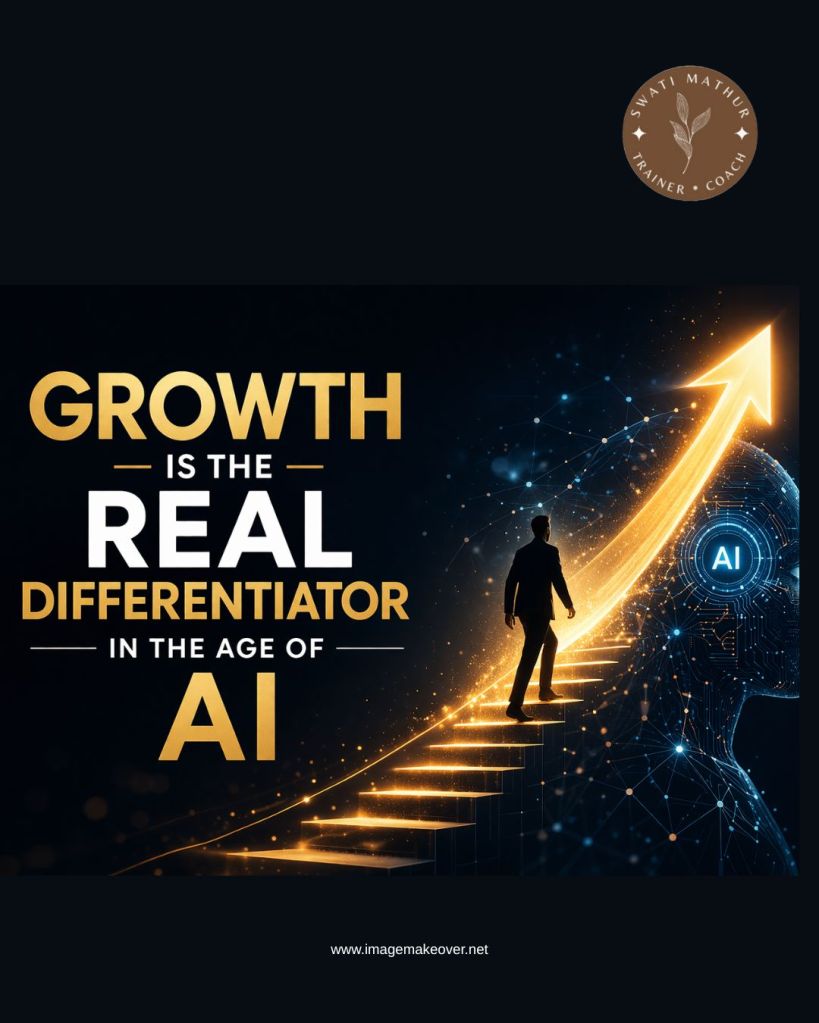
Success in today’s fast-paced world requires a dynamic and proactive approach. By focusing on Artificial Intelligence, Soft Skills, and Embracing New Tools, professionals can future-proof their careers and thrive in an evolving landscape. Lifelong learning, adaptability, and curiosity will be the defining factors of success. As industries continue to transform, those who embrace change, harness technology, and prioritize human connections will unlock new opportunities and drive meaningful innovation. The key to staying ahead lies in continuous growth and an unwavering commitment to evolution.