
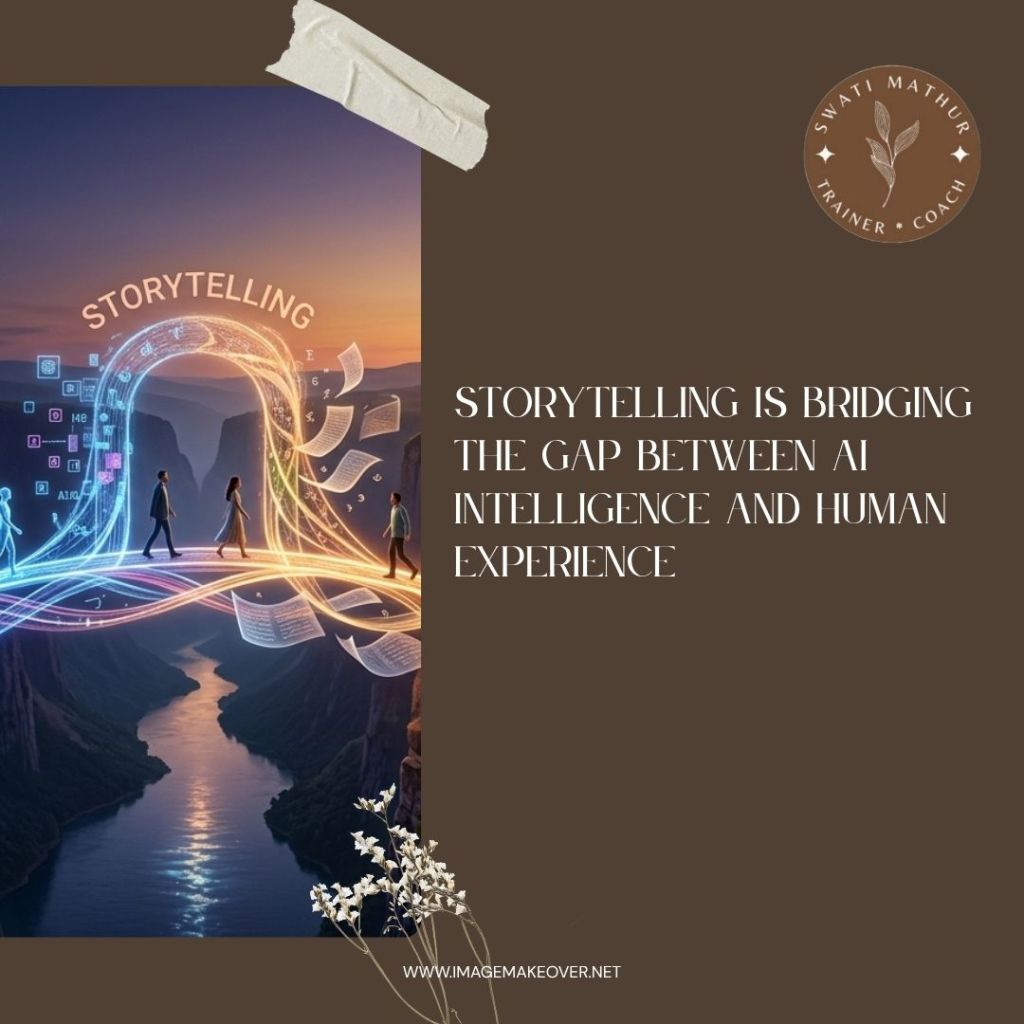
In a world where AI can generate information instantly, create presentations, and even draft content, what truly makes communication memorable is not just what you say, but how you make people feel and that is the power of storytelling. Storytelling is a timeless soft skill that transforms information into meaningful, relatable, and engaging experiences. While AI can provide data and structure, it is storytelling that brings emotion, context, and human connection into learning.
“People don’t remember information, they remember stories.”
In the context of soft skills and training, storytelling acts as a bridge between knowledge and understanding. A trainer may explain a concept like communication or leadership using definitions, but it is a story which is real or relatable that helps learners see themselves in the situation. For example, instead of simply explaining the importance of active listening, a trainer might share a story about a workplace misunderstanding caused by poor listening. This instantly makes the concept more real, memorable, and impactful.
Why Storytelling Matters More in the AI Era
As AI makes content creation easier, there is a risk of communication becoming generic and impersonal. Storytelling ensures that your message remains:
- Human-centered
- Emotionally engaging
- Context-rich and relatable
AI can generate content, but it cannot fully replicate lived experiences, emotions, and personal insights the way humans can.
How Storytelling Enhances Soft Skills
Improves Communication Clarity: Stories simplify complex ideas and make them easier to understand. For example instead of explaining “emotional intelligence” in theory, you narrate a story where a leader handled a conflict calmly, helping learners grasp the concept instantly.
Builds Emotional Connection
Stories engage feelings, not just logic. For example sharing a personal failure and what you learned creates trust and relatability with your audience.
Enhances Engagement and Attention
People naturally pay more attention to stories than to plain information. For example a session filled with real-life stories keeps participants more involved than one filled only with slides.
Improves Retention
Learners remember stories longer than facts. For example a story about teamwork failure will be remembered far more than a list of “teamwork principles.”
Strengthens Persuasion and Influence
Stories help you influence thinking and behavior. For example instead of instructing someone to adopt a habit, a story showing the impact of that habit can inspire change.
Only human can generate story ideas, structure narratives and create scenarios or role plays. Human can bring authenticity, emotions, real life experience and cultural and contextual relevance. AI builds the skeleton but storytelling adds the soul.
You can structure your stories using this simple flow:
- Situation – Set the context – say a team working on a deadline
- Challenge – What problem occurred?- say miscommunication caused delays
- Action – What was done? say one member clarified roles and expectations
- Outcome – What happened as a result? say work improved and deadlines were met
- Learning – What is the takeaway? say clear communication prevents confusion
In the age of AI, where information is abundant and easily accessible, the real power lies in making that information meaningful. Storytelling transforms data into experience, ideas into understanding, and communication into connection. Because at the end of the day, people may forget what AI generated but they will remember how a story made them think, feel, and act.
This post is part of Blogchatter A2Z challenge 2026
 Imagemakeover