
Rati was an influencer, renowned for her glamorous lifestyle and impeccable beauty. Rati’s social media posts were a window into her world, filled with luxurious cosmetics and envy-inducing outfits. Her followers admired her, aspiring to emulate her flawless appearance.
When Rati became a mother, her priorities shifted. Eager to share every aspect of her life with her followers, Rati began incorporating her baby into her posts. At first, it was innocent enough – sweet snapshots of motherhood, showcasing adorable baby clothes and nursery decor.
But as time went on, Rati’s content took a different turn. She saw an opportunity and started accepting paid partnerships with baby product companies. Diapers, formula, toys – her child became the unwitting face of it all.
Unaware of the world beyond his mother’s camera lens, the child grew up surrounded by lights, cameras, and strangers. He smiled and cooed on cue, blissfully ignorant of the true nature of his mother’s intentions. He was just a baby, after all, with no concept of fame or fortune.
Years passed, and the child began to understand the reality of his situation. He saw himself on different posts, his face synonymous with diapers and baby food. His friends at school started to notice too, teasing him mercilessly about his “famous” status.
At first, the child brushed off the jokes, trying to laugh along with his classmates. But as the taunts continued, he couldn’t shake the feeling of embarrassment and shame. He felt like a spectacle, a pawn in his mother’s quest for social media stardom.
Day by day, the weight of his mother’s actions grew heavier on his young shoulders. He became withdrawn and introverted, retreating into himself to escape the scrutiny of the outside world. He was scared to face his peers, terrified of being judged for something he had never asked for.
Finally, one day, the child reached his breaking point. He confronted his mother, tears streaming down his cheeks as he poured out his heart. He begged her to stop using him as a prop, to see him for who he truly was – not a model, but a child longing for love and acceptance.
Rati was stunned by her son’s words, realizing for the first time the harm she had caused. She held him close, apologizing profusely for her actions. Together, they vowed to start anew, to build a life based on honesty and integrity rather than fame and fortune.
And as they embarked on their journey of healing, the child found solace in the knowledge that he was more than just a product to be bought and sold. He was a person, with dreams and desires of his own, and he refused to let anyone exploit his innocence ever again.
This is fictional but what if it’s a reality of some????
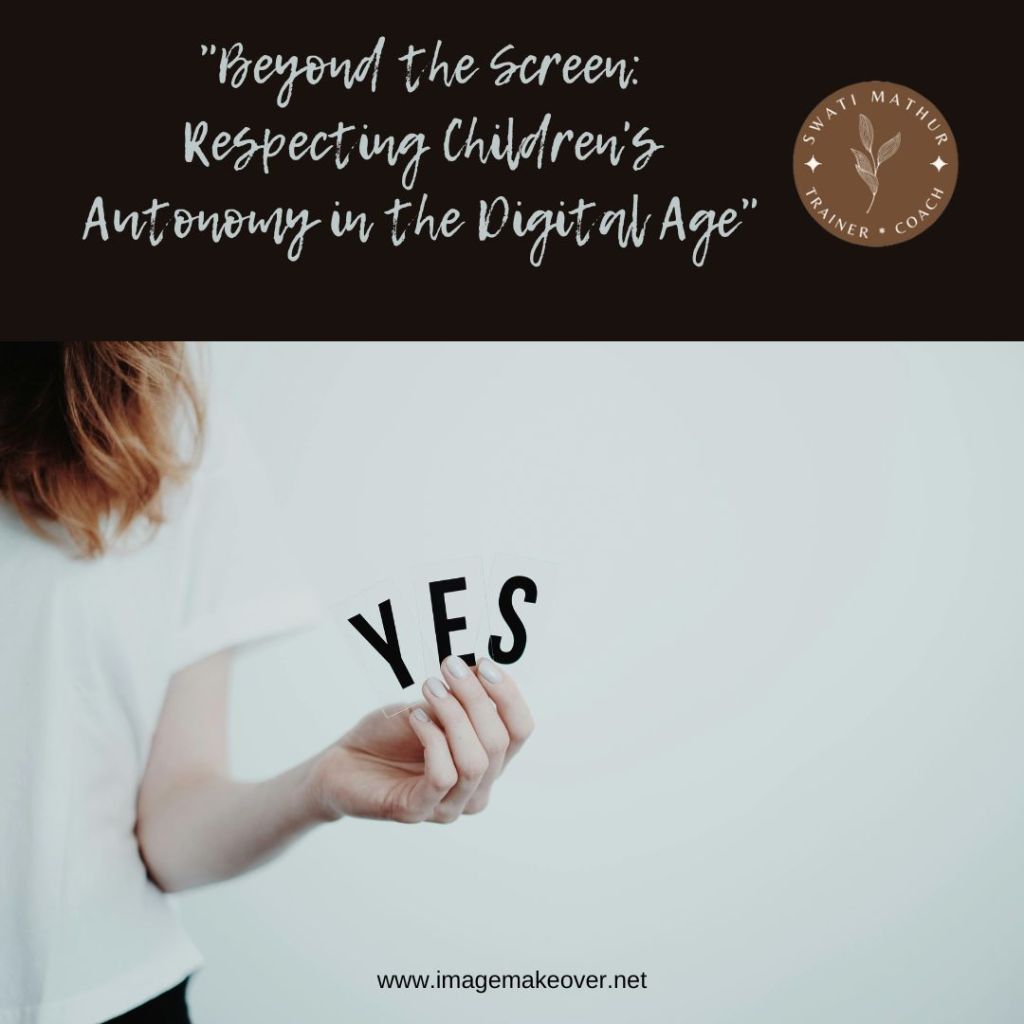
Taking permission before posting a child’s pictures or videos on social media is not just important; it’s crucial. Children have a right to privacy and autonomy over their own image and online presence.
Just like adults, children have a right to privacy. Posting their images without their consent violates this right and can make them feel exposed or uncomfortable. Sharing a child’s pictures or videos online without permission can expose them to potential risks, such as online predators or identity theft. It’s important to consider the potential consequences of making a child’s information publicly available. Once something is posted on the internet, it can be challenging to remove it entirely. Images or videos shared without consent could potentially follow a child into adulthood, affecting their personal and professional lives. Respecting a child’s autonomy by seeking their permission before posting demonstrates trust and respect in the parent-child relationship. It teaches them about consent and digital boundaries.
Whether children under 18 should be on social media, it’s a complex issue with no one-size-fits-all answer. Social media can help children stay connected with friends and family, especially those who may be geographically distant. Social media can provide educational resources, creative outlets, and opportunities for skill development.
But at the same time risk is much higher. Children may be exposed to inappropriate content, cyberbullying, or grooming by online predators. Excessive use of social media has been linked to negative effects on mental health, such as increased feelings of loneliness, anxiety, and depression. Children may not fully understand the implications of sharing personal information online, leading to potential privacy breaches or identity theft.
Ultimately, whether a child should be on social media depends on various factors, including their age, maturity level, and the specific platforms they’re using. Parents and guardians should carefully consider these factors and actively supervise their child’s online activities to ensure their safety and well-being. While children can certainly participate in influencer activities, it’s crucial to approach this with caution and prioritize the child’s best interests. Parents and guardians should consider the child’s age, maturity, and understanding, and ensure that they have the necessary support and protection in place to navigate the complexities of social media influencer culture. It’s important to obtain consent from the child before sharing any content involving them and to respect their boundaries and preferences regarding their online presence.
This blog post is part of the blog challenge ‘Blogaberry Dazzle’ hosted by Cindy D’Silva and Noor Anand Chawla in collaboration with Mads’ Cookhouse.
 Imagemakeover