Losing focus and passion in your prime years can feel overwhelming, especially when responsibilities and obligations weigh heavily on your shoulders. Many professionals find themselves stuck in careers they no longer enjoy, often due to past decisions made out of necessity rather than passion. However, breaking free from this cycle is possible. With the right mindset and strategies, you can rediscover your enthusiasm, realign with your purpose, and take charge of your journey.
Identifying the Root Cause: Why Have You Lost Interest?
Before embarking on a transformation, it’s crucial to identify what’s draining your motivation. Ask yourself:
Am I in the right field? Does my current career align with my values, interests, and strengths?
Do I feel valued and challenged? Or has my work become monotonous, unappreciated, or unfulfilling?
Am I staying for the wrong reasons? Am I trapped due to financial obligations, family expectations, or fear of the unknown?
Gaining clarity on these questions will help you take meaningful steps toward change.
Making Peace with Past Decisions
Regret and self-blame can be major roadblocks to progress. Instead of dwelling on past mistakes, shift your focus to growth and improvement:
Reassess your priorities. What truly excites you? What kind of work makes you feel alive?
Explore new paths. Research industries, careers, or roles that align with your rediscovered passions.
Invest in learning. Upskilling or reskilling through courses, certifications, or mentorships can open doors to new opportunities.
Build a support system. Surround yourself with mentors, friends, and professionals who uplift and encourage your transformation.
Strategies to Reignite Your Passion and Focus
Small, intentional changes can reignite your enthusiasm and help you find meaning in your work:
Start with small shifts. Take on projects or tasks that excite you, even within your current role.
Set clear and achievable goals. Break down your vision into actionable steps, so progress feels manageable and rewarding.
Reconnect with your ‘why.’ What impact do you want to make? What work environment brings out your best self?
Prioritize self-care. A healthy mind and body are essential for sustained focus and motivation. Make time for activities that energize you.
Transitioning with Confidence
Change doesn’t happen overnight, but with patience and persistence, you can create the future you desire. Here’s how to navigate the transition smoothly:
Create a Financial Cushion
Financial stability plays a crucial role in your ability to make career transitions with confidence. A well-planned safety net can alleviate stress and provide the flexibility needed to explore new opportunities without immediate financial pressure. Consider the following steps:
Save strategically: Set aside a portion of your income each month to build an emergency fund that can cover at least 3-6 months of living expenses.
Cut unnecessary expenses: Review your spending habits and identify areas where you can reduce costs to accelerate your savings.
Diversify your income: Explore side gigs, freelancing, or passive income sources to create additional financial security while transitioning.
Seek financial advice: Consult a financial planner to help you manage your resources effectively and create a long-term plan for career shifts.
Build a Strong Network
Your network can be a game-changer when it comes to making career moves or reigniting your passion. Surrounding yourself with the right people provides valuable insights, motivation, and opportunities. Here’s how to do it:
Connect with industry professionals: Attend networking events, seminars, and workshops in your desired field to build meaningful relationships.
Engage in online communities: Join LinkedIn groups, forums, and professional associations to stay informed and connect with like-minded individuals.
Seek mentorship: Identify mentors who have successfully transitioned in their careers and learn from their experiences and advice.
Give as much as you take: Networking is a two-way street—support others in their journeys, and you’ll find the same energy returning to you.
Embrace the Journey
Personal and professional growth is not always linear. Challenges, setbacks, and moments of doubt are inevitable, but they are also essential parts of the process. To stay committed to your transformation, consider these strategies:
Adopt a growth mindset: View obstacles as learning opportunities rather than failures. Each challenge provides valuable lessons that can strengthen your resilience.
Set realistic expectations: Career transitions take time. Be patient with yourself and celebrate small wins along the way.
Stay adaptable: Be open to unexpected opportunities and changes in direction. Sometimes, the best paths are the ones you hadn’t initially considered.
Prioritize self-care: Mental and emotional well-being are crucial. Take time to recharge, reflect, and maintain a healthy work-life balance.
Finally……………..
Regaining your focus and passion in your prime years is not just a dream—it’s a choice you can make today. By understanding what’s holding you back, making peace with past decisions, and implementing strategic changes, you can redefine your path and create a fulfilling, purpose-driven life.
Remember, you are not stuck. You have the power to pivot, grow, and thrive. The best time to start is now!
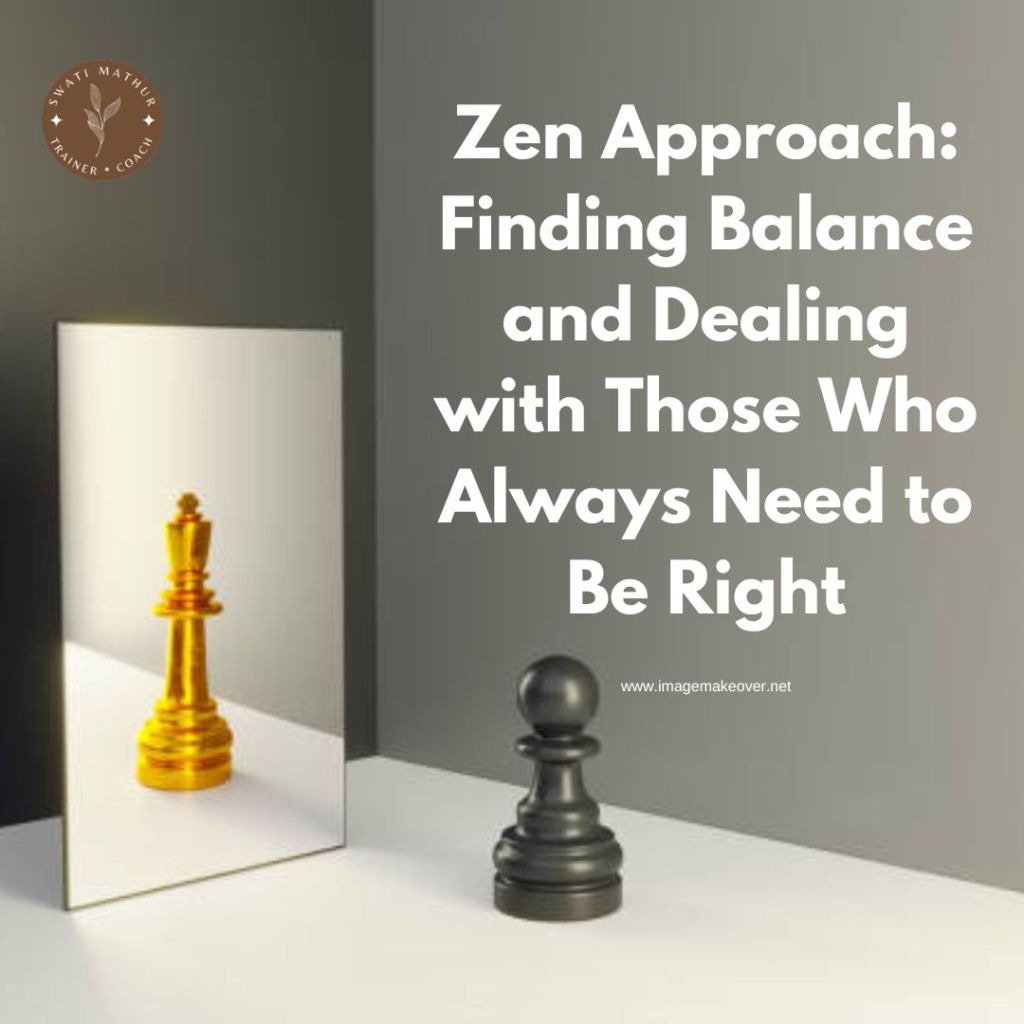
People who always seek to be right at any cost often exhibit traits of egoism, insecurity, or a need for control. Their behavior can stem from a variety of factors, such as past experiences, upbringing, or personality traits.
At its core, the need to always be right can be a defense mechanism to protect one’s ego. Admitting fault or being wrong might be perceived as a threat to their self-image or competence. Therefore, they may go to great lengths to avoid being proven wrong, even if it means disregarding evidence or steamrolling over others’ perspectives.
In interpersonal relationships, this attitude can be toxic and damaging. Constantly needing to be right can lead to conflicts, resentment, and a breakdown of trust. People may feel invalidated or dismissed, leading to strained relationships both personally and professionally. Over time, others may distance themselves from individuals who exhibit this behavior, as it can be draining and frustrating to interact with them.
Moreover, these individuals often miss out on opportunities for growth and learning. By refusing to listen to others or consider alternative viewpoints, they limit their own understanding and development. True growth comes from being open to feedback, admitting mistakes, and being willing to learn from others.
It’s essential to set boundaries with such individuals and communicate assertively about the impact of their behavior. Encouraging open dialogue, empathy, and a willingness to consider different perspectives can help mitigate conflicts and foster healthier relationships. However, it’s also important to recognize when engaging with such individuals becomes detrimental to one’s well-being and to prioritize self-care and emotional safety.
In my personal and professional experiences, I’ve encountered individuals who consistently exhibit a need to always be right. Sadly, in both cases, these relationships became strained to the point where reconciliation seemed impossible. Let me share my experience with you all for better understanding.
Professional Setup
In a training firm, Rajeev was known for his expertise in leadership development. He was highly knowledgeable and had a reputation for delivering impactful training sessions. However, he had a flaw that often overshadowed his skills – his insatiable need to always be right.
During training sessions, he would dominate discussions, often dismissing alternative viewpoints and failing to truly engage with participants. His approach was authoritative, leaving little room for collaboration or open dialogue. Despite feedback from colleagues and participants about the need for a more inclusive learning environment, Rajeev remained steadfast in his belief that his way was the only way.
One day, during a leadership workshop, a participant raised a valid question challenging one of his assertions. Instead of considering the question and fostering a constructive discussion, he became defensive. He belittled the participant’s perspective and doubled down on his own viewpoint, refusing to entertain any disagreement.
As the workshop progressed, participants became increasingly disengaged, feeling marginalized and undervalued. Despite the valuable insights they could have contributed, many chose to remain silent rather than risk facing his dismissive attitude.
After the workshop, feedback from participants highlighted the negative impact of Rajeev’s behavior on their learning experience. Many expressed frustration at his unwillingness to listen and collaborate, feeling that their voices were not heard or respected.
Despite attempts from management to address the issue and encourage a more inclusive approach to training, Rajeev remained resistant to change. He continued to prioritize his need to always be right over the effectiveness of the training sessions and the growth of participants.
Over time, his reputation suffered, and clients began to seek training services elsewhere. Despite his expertise, his inability to adapt and foster a collaborative learning environment ultimately led to his downfall in the training profession.
You can see how the need to always be right can hinder professional growth and effectiveness, particularly in a training setting where collaboration and open dialogue are essential for learning and development. Individuals like Mark, who prioritize their ego over the needs of learners, risk alienating participants and undermining the effectiveness of their training efforts.
Personal Set up
Siya and Deep were close friends since childhood. They shared countless memories, supported each other through tough times, and celebrated successes together. However, as they grew older, Siya noticed a concerning pattern in Deep’s behavior.
He had always been competitive and had a strong desire to be right in every situation. Whether it was choosing a restaurant for dinner or discussing a current event, He would adamantly defend his viewpoint, often dismissing Siya’s opinions without consideration.
One day, Siya shared her excitement about a new job opportunity she had been offered. Instead of congratulating her, Deep immediately began criticizing her decision, pointing out all the potential pitfalls and flaws in her reasoning. Despite Siya’s attempts to explain her perspective and excitement, he remained steadfast in his belief that he knew what was best for her.
As she tried to navigate his need to always have the upper hand, she found herself feeling increasingly frustrated and invalidated. Their conversations became less frequent, and she began to distance herself from Deep, feeling emotionally drained by their interactions.
Eventually, she realized that his unwillingness to listen, acknowledge her feelings, or consider her perspective was taking a toll on their friendship. She confronted Deep about his behavior, expressing how his need to always be right was hurting their relationship.
To her disappointment, he reacted defensively, refusing to acknowledge any fault in his behavior. Instead, he attempted to shift the blame onto her, accusing her of being overly sensitive and unreasonable.
Feeling hurt and unsupported, she made the difficult decision to take a step back from the friendship. While she cherished the memories they had shared, she recognized that her emotional well-being was more important than maintaining a relationship with someone who refused to listen or learn from their mistakes.
As Siys moved forward, she reflected on the importance of surrounding herself with people who valued her opinions, respected her boundaries, and were willing to engage in open, honest communication. Though it was a painful realization, She understood that sometimes, letting go of toxic relationships was necessary for personal growth and happiness.
These examples underscore the significant impact that individuals who always need to be right can have on both personal relationships and professional environments. Despite efforts to address the issue and foster collaboration, the strain caused by their behavior often leads to irreparable damage.
Being right at any cost can come with significant consequences, both for the individual and for their relationships with others.
Strained Relationships: Individuals who always need to be right often prioritize their ego over meaningful relationships. Their unwillingness to listen, collaborate, or consider others’ perspectives can lead to conflicts, resentment, and a breakdown of trust in both personal and professional relationships. This strain on relationships can ultimately lead to loneliness, isolation, and a lack of support network.
Stifled Personal Growth: The need to always be right can hinder personal growth and development. By refusing to acknowledge mistakes or learn from failures, individuals limit their opportunities for self-improvement and skill development. True growth comes from humility, open-mindedness, and a willingness to learn from others’ experiences and perspectives.
Negative Impact on Mental Health: Constantly seeking to be right can take a toll on an individual’s mental health. The pressure to maintain a facade of infallibility can lead to anxiety, stress, and perfectionism. Moreover, the inability to cope with being wrong or facing criticism can erode self-esteem and contribute to feelings of inadequacy or insecurity.
Alienation from Others: People who always need to be right may find themselves alienated from others due to their dismissive or domineering behavior. Others may avoid interacting with them altogether, leading to social isolation and a lack of social support. This can further exacerbate feelings of loneliness and contribute to overall dissatisfaction with life.
Missed Opportunities for Learning: By consistently insisting on being right, individuals miss out on valuable opportunities for learning and growth. Listening to others’ perspectives, seeking feedback, and being open to new ideas are essential for innovation, problem-solving, and personal development. Individuals who refuse to acknowledge their limitations or learn from their mistakes risk stagnation and missed opportunities.
Therefore, the need to always be right can have far-reaching consequences, affecting not only the individual’s relationships and personal growth but also their mental health and overall well-being. It’s essential for individuals to cultivate humility, empathy, and open-mindedness in order to foster healthy relationships, promote personal growth, and lead fulfilling lives.
Overcoming the trait of always needing to be right requires self-awareness, introspection, and a willingness to change. Here are some steps to overcome this behavior:
Recognize the Pattern: Reflect on past situations where you’ve felt the need to always be right. Identify the triggers, emotions, and consequences associated with this behavior.
Challenge Your Assumptions: Question the underlying beliefs that drive your need to be right. Are you seeking validation, control, or security? Consider whether these beliefs are serving you well or hindering your growth.
Practice Empathy: Put yourself in others’ shoes and consider their perspectives. Recognize that everyone has their own experiences, knowledge, and viewpoints. Cultivate empathy by actively listening to others and seeking to understand their thoughts and feelings.
Embrace Humility: Accept that it’s okay to be wrong sometimes. Embracing humility allows you to learn from mistakes, grow as a person, and build stronger relationships with others. Shift your focus from being right to being open-minded and receptive to feedback.
Seek Feedback: Encourage others to provide honest feedback about your behavior. Listen with an open mind, and be willing to acknowledge areas for improvement. Constructive criticism can help you gain insights into your blind spots and develop self-awareness.
Practice Active Listening: Instead of focusing solely on proving your point, practice active listening by fully engaging with what others are saying. Pay attention to both verbal and nonverbal cues, and ask clarifying questions to ensure understanding.
Collaborate and Compromise: Value collaboration and teamwork by embracing diverse perspectives and ideas. Recognize that compromise often leads to better outcomes than rigidly sticking to your own agenda. Focus on finding common ground and working towards shared goals.
Dealing with people who always need to be right can be challenging, but here are some strategies to navigate interactions with them:
Set Boundaries: Establish clear boundaries and assertively communicate your needs and expectations. Let the person know that you value open dialogue and mutual respect, and that you won’t tolerate dismissive or disrespectful behavior.
Choose Your Battles: Not every disagreement needs to be escalated into a confrontation. Pick your battles wisely and prioritize maintaining positive relationships and productive communication.
Lead by Example: Model respectful communication, active listening, and humility in your interactions with others. Your behavior may inspire others to follow suit and create a more collaborative environment.
Provide Constructive Feedback: If appropriate, offer constructive feedback to the person about how their behavior is impacting others. Be specific, focus on observable behaviors, and offer suggestions for improvement in a non-confrontational manner.
Seek Support: If the situation becomes untenable, seek support from a trusted colleague, supervisor, or HR department. They can provide guidance, mediate conflicts, and help enforce workplace policies regarding respectful behavior.
Remember, changing deeply ingrained behaviors takes time and effort. Be patient with yourself and others as you work towards fostering a more collaborative and respectful environment.


 Imagemakeover