
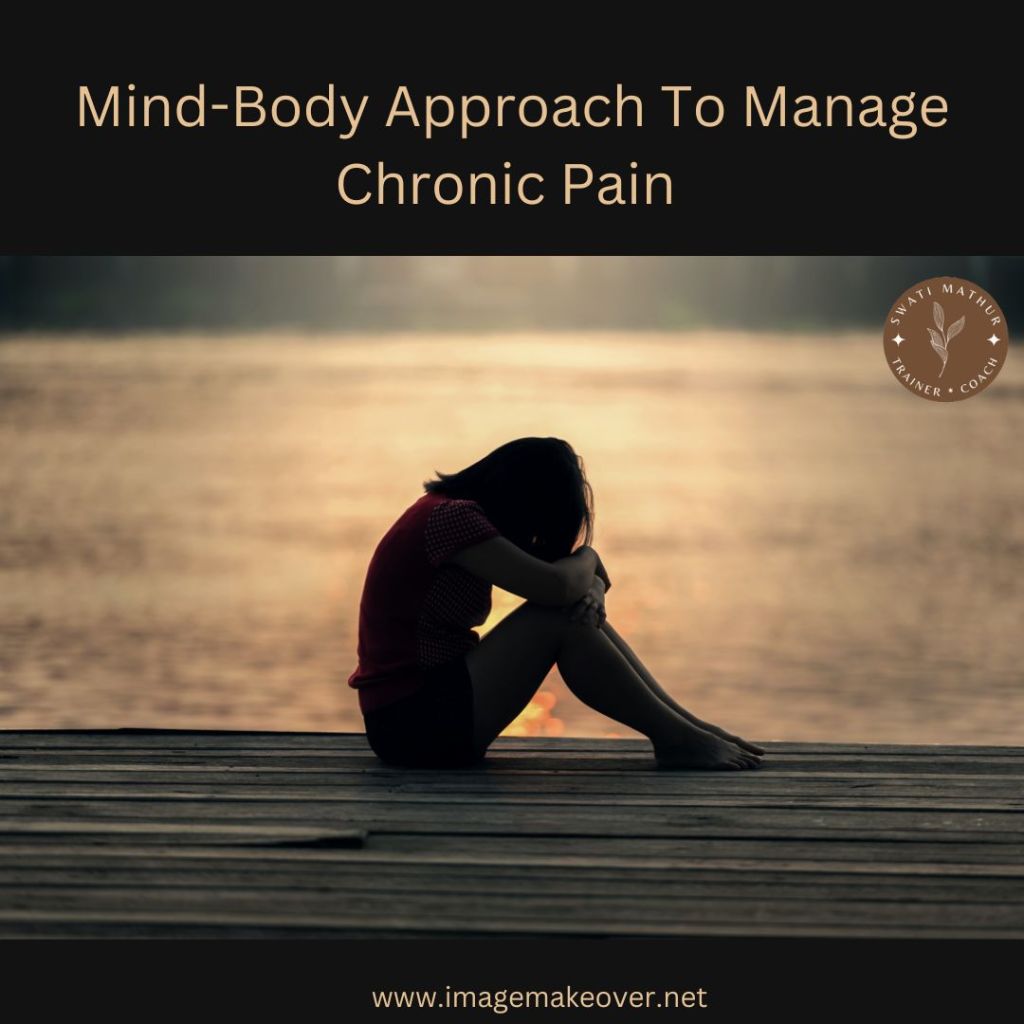
Recently I have come across people who are suffering from chronic pain from decade and it is quite heartening to listen to their stories. And that’s when I have decided to understand what chronic pain is and how one can deal with it. And to my surprise the brain and central nervous system play a much more significant role in chronic pain than we once thought.
Let’s first understand what chronic pain is all about?
Pain that lasts beyond 6 months and negatively affects person’s well-being is what chronic pain is all about. So basically the pain that continuous when it should not be and leads to other health conditions like anxiety and depression, resulting in a low health-related quality of life.
I believe most of us will or would have been faced pain in our lives, be it physical or emotional, caused by illness or an unhappy moments. So what you would have done? Many of us must have avoided it which is good as when you experience pain your brain signals you to stop doing whatever is causing the pain, preventing further harm to your body. But remember pain is not meant to last for long but if it does it could be physically and emotionally stressful. Chronic pain changes the levels of stress hormones and neurochemicals within your brain and nervous system that can lead to change in mood, thinking and behavior.
Let’s talk about the impact of Chronic pain in people’s daily life.
People who are suffering from chronic pain are increasing at super sonic speed and so does the number of opioid prescriptions, surgeries, and the doctor’s visit. Economic cost of chronic pain is skyrocketing and the impact on the individual is just as severe. The study shows that, on an average, people suffering from chronic pain earn 37% less than the someone not and are more prone to severe mental health conditions. Chronic pain can disrupts people’s daily life to a great extent. It can affect their ability to function at home and work and that impact people around them in a large way. Participation in social activities and hobbies could be interrupted which could lead to decreased self esteem. There are lot of other problems like fatigue, sleep disruption, lack of focus, loss of appetite and mood fluctuations. All these negative changes in the lifestyle can lead to increase in pain and low confidence and all this can result in depression and anxiety.
What can be done?
There are many therapies that are available, but none of them work in isolation. There is always a combination of two or more therapies that can be adopted to achieve better results and can be more effective.
Talk Therapy: Talk therapy is basically psychological counselling, where you pour your emotions out and will be helped without having the fear of being judged.
Mindfulness: This helps you to calm down, in which ever way works for you. It could be music, smell, art etc.
Cognitive behavioral Therapy: Helps you in facing the fear instead of avoiding it and teaches you to cope up with the pain you are going through. CBT treatment usually involves efforts to change thinking and behavioral patterns.
Occupational Therapy: This therapy teaches you how to do everyday task differently to reduce the pain which has indirect impact on your pain.
Physical Therapy: Physical therapy involves exercises that stretch and strengthen your body, which can help reduce your pain. Yoga is one of the best form of exercise which works wonderfully well in this scenario.
Medication: Depression affects your brain, so drugs that work in your brain may prove beneficial. Common antidepressants may help ease your symptoms.
Guided Meditation: Meditation is a relaxing techniques that helps in achieving mental, emotional and physical healing and stress relief.
Touch Therapy: Touch therapy like Reiki uses touch to change energy fields in your body.
How to make sure these therapies really work?
In parallel to medications and therapies, it is highly imperative to make lifestyle changes. Things to avoid and adopt.
- Avoid alcohol
- Avoid smoking
- Avoid unnecessary stress
- Adopt healthy diet
- Adopt regular exercising
- Adopt support group to learn from other people with similar conditions
- Adopt time management skills
- Adopt good habits, like positive thinking and sleeping on time.
Lets discuss step by step strategy to come out of endless loop of chronic pain.
Step 1. Identify the clues that your body gives when you are in pain. For example sweaty palms, neck and shoulders tighten etc.
Step 2. Identify your trigger points and try to walk away from that. For example if you don’t like someone try to avoid their company. This step will give you time to move to your next step.
Step 3. Indulge in relaxing therapy that is mind body techniques like deep breathing, splashing cold water on your face or drinking water or do a guided meditation.
Step 4. Once your body and mind calms down identify your feelings and needs. What are you longing for. Is it love, support, compassion from others or it could be as simple as food or sleep.
Step 5. Now this is a crucial step as now it’s a time to take action. If you know what you need, satisfy them and if you know what you want to feel, fulfill those feelings. But do all these in writing so that you can keep yourself accountable.
These steps might work but as they are just steps and not rules you are free to make changes that suits you.
There are many people who are suffering from these chronic pains and not even aware about it. So as a healthy community we need to help each other in understanding this better and empathizing with the sufferers.
This Post is a part of Blogchatter’s #CauseAChatter Program.
This blog post is part of the blog challenge ‘Blogaberry Dazzle’ hosted by Cindy D’Silva and Noor Anand Chawla.












 Imagemakeover