In a world that is rapidly transforming with Artificial Intelligence, one question quietly lingers beneath all the excitement and anxiety “What remains uniquely human?“
We are surrounded by AI from recommendation engines that suggest what we watch, to tools that write, design, and even make decisions. According to recent studies, AI adoption in businesses has more than doubled in the last few years. It is efficient, scalable, and increasingly intelligent. But despite its growing capabilities, there is one thing AI cannot replicate in its truest form human attitude.
AI can process data. It can analyze patterns. It can even mimic emotions. But it cannot choose an attitude.
And that’s where we come in.
The Power of Attitude in an AI-Driven World
Attitude is not just about being positive or negative. It is about how we respond to change, to uncertainty, to growth. As AI reshapes industries, jobs, and daily life, our attitude determines whether we see it as a threat or an opportunity.
You may have access to the most advanced AI tools, but without the right attitude, those tools remain underutilized.
Think about it, two people using the same AI platform. One sees it as a shortcut to avoid thinking. The other sees it as a partner to enhance creativity.
The difference? Not skill. Not knowledge. Attitude.
AI Can Assist, But Attitude Leads
There’s a famous quote by Charles R. Swindoll:
“Life is 10% what happens to us and 90% how we react to it.”
This becomes even more relevant in the age of AI. AI might change how work is done, but your attitude defines:
Whether you adapt or resist
Whether you learn or stay stagnant
Whether you grow or feel replaced
For example, many professionals fear that AI will take away jobs. While this fear is understandable, history shows us that technology often transforms jobs rather than eliminating them entirely. The World Economic Forum has projected that while AI may displace some roles, it will also create millions of new ones.
The real question is: Will you be ready for them? Well, your attitude decides that.
The Emotional Edge Over Machines
AI lacks emotional depth. It does not feel fear, hope, ambition, or resilience. Humans do and that is our advantage.
A positive, growth-oriented attitude allows us to learn new skills faster , collaborate better with AI and most importantly stay motivated during uncertainty.
In contrast, a fixed or negative attitude can make even the simplest technological changes feel overwhelming.
Attitude Shapes the Future of AI Use
AI is a tool. A powerful one, yes but still a tool.
Just like a pen can write poetry or misinformation, AI can be used to create value or dependency. The intention behind its use comes from human attitude.
If your attitude is
Curious → You will explore AI deeply
Fearful → You will avoid it
Balanced → You will use it wisely
And that balance is where true growth lies.
A Simple Reflection
Ask yourself
Do I see AI as a replacement or an enhancement?
Am I willing to learn alongside technology?
Is my attitude helping me grow or holding me back?
These questions matter more than any tool you use.
The Human Factor Still Wins
As we step deeper into the AI era, it’s easy to get lost in algorithms and automation. But at the core of every technological advancement is a human being making choices.
AI may define the future of work. But attitude will define your place in that future. Because in the end, it’s not just about how intelligent the machines become but it’s about how wisely humans choose to grow alongside them.
This post is part of Blogchatter A2Z challenge 2026
How I Went from Learning Online to Teaching Thousands
“The beautiful thing about learning is that no one can take it away from you.” – B.B. King
A few years ago, I found myself scrolling through Udemy, searching for courses that could help me grow both personally and professionally. I was driven by a desire to improve myself, to discover my potential, and to find a space where I could evolve beyond my limitations. I enrolled in courses on life coach, emotional intelligence coach, and more ,and I remember being in awe of how transformative learning can be when it’s accessible, practical, and empowering.
Little did I know that this platform, which once served as a stepping stone in my journey of self-improvement, would one day become the very stage where I would stand not just as a learner but as a trainer, blogger, coach, and mentor.
Today, I proudly host my own course on Personality Development and Soft Skills on Udemy, helping learners from different walks of life , students, working professionals, and even homemakers and unlock their true potential and transform their lives. This is not just a milestone, it’s a deeply personal victory that I hold close to my heart.
Why Personality Development and Soft Skills Matter Today
“Your smile is your logo, your personality is your business card, and how you leave others feeling after having an experience with you becomes your trademark.” – Jay Danzie
In today’s competitive world, hard skills alone are not enough. What often determines success in interviews, workplaces, and even social scenarios is how you present yourself, how effectively you communicate, how well you adapt, and how confident you are. These are the very pillars of personality development and soft skills.
Whether you’re entering the job market, trying to climb the career ladder, or returning to work after a break — your personality speaks before your resume does. Your body language, your tone, your confidence, your empathy , they are all signals of your inner strength. And that’s why mastering soft skills is no longer optional; it’s essential.
Having worked with a wide spectrum of individuals, I’ve seen first-hand the transformation that occurs when people invest in themselves. I’ve trained:
Students who were once afraid of public speaking, now confidently delivering presentations in corporate boardrooms.
Working professionals who were overlooked for leadership roles, now promoted after mastering the art of communication and influence.
And most touchingly, housewives who once felt invisible or inferior, now walking into rooms with their heads held high, brimming with confidence, starting their own ventures, or rejoining the workforce.
It’s been humbling to witness these journeys, and I feel truly grateful to have been a part of them.
The eBook That Started It All: A 2 Z Of Image Management- Guide to Create Your Own Brand
“First impressions are not just made in seconds, they’re made forever.”
As my knowledge grew and my sessions became more structured, I compiled my insights into an eBook on Image Management, which quickly gained popularity among learners seeking practical tips for presenting themselves better , whether for job interviews, meetings, or social occasions.
This eBook became a foundation for many of my students who wanted quick, actionable strategies to enhance their physical presence, grooming, wardrobe choices, and non-verbal cues. It’s a tool I still recommend alongside my Udemy course, and together, they form a holistic personality-building package.
What started as a personal development journey has evolved into a full-fledged mission. Today, I dedicate my time to empowering others through blogs, live workshops, one-on-one coaching, and online courses. I believe in creating safe, nurturing spaces where people feel heard, understood, and encouraged to grow.
My sessions are more than just theoretical training. They are about real-life transformation , from low confidence to bold expression, from fear to fearlessness, from ‘I can’t’ to ‘Watch me do it’.
Every time a student lands a job, every time a housewife smiles at her reflection with newfound pride, and every time a participant says, “Your course changed my life,” I am reminded of why I do what I do.
“Gratitude turns what we have into enough, and more.” – Melody Beattie
I often look back at the girl who once hesitated to speak in public, who consumed every learning resource she could find on Udemy, hoping to someday grow into someone she’d be proud of.
Today, that same platform carries my name ,not as a student, but as a certified trainer impacting thousands. And for that, I am endlessly thankful. To my mentors, my students, my readers, and the Udemy community , thank you for believing in me, trusting my journey, and allowing me to be a small part of your transformation.
My story is proof that you don’t have to be great to start, but you have to start to become great. So if you’re standing at the beginning of your journey, unsure and overwhelmed , know this: with the right mindset, the right guidance, and the willingness to learn, you too can rise from a learner to a leader.
Let’s continue to grow, inspire, and uplift . One course, one session, one life at a time..
Losing focus and passion in your prime years can feel overwhelming, especially when responsibilities and obligations weigh heavily on your shoulders. Many professionals find themselves stuck in careers they no longer enjoy, often due to past decisions made out of necessity rather than passion. However, breaking free from this cycle is possible. With the right mindset and strategies, you can rediscover your enthusiasm, realign with your purpose, and take charge of your journey.
Identifying the Root Cause: Why Have You Lost Interest?
Before embarking on a transformation, it’s crucial to identify what’s draining your motivation. Ask yourself:
Am I in the right field? Does my current career align with my values, interests, and strengths?
Do I feel valued and challenged? Or has my work become monotonous, unappreciated, or unfulfilling?
Am I staying for the wrong reasons? Am I trapped due to financial obligations, family expectations, or fear of the unknown?
Gaining clarity on these questions will help you take meaningful steps toward change.
Making Peace with Past Decisions
Regret and self-blame can be major roadblocks to progress. Instead of dwelling on past mistakes, shift your focus to growth and improvement:
Reassess your priorities. What truly excites you? What kind of work makes you feel alive?
Explore new paths. Research industries, careers, or roles that align with your rediscovered passions.
Invest in learning. Upskilling or reskilling through courses, certifications, or mentorships can open doors to new opportunities.
Build a support system. Surround yourself with mentors, friends, and professionals who uplift and encourage your transformation.
Strategies to Reignite Your Passion and Focus
Small, intentional changes can reignite your enthusiasm and help you find meaning in your work:
Start with small shifts. Take on projects or tasks that excite you, even within your current role.
Set clear and achievable goals. Break down your vision into actionable steps, so progress feels manageable and rewarding.
Reconnect with your ‘why.’ What impact do you want to make? What work environment brings out your best self?
Prioritize self-care. A healthy mind and body are essential for sustained focus and motivation. Make time for activities that energize you.
Transitioning with Confidence
Change doesn’t happen overnight, but with patience and persistence, you can create the future you desire. Here’s how to navigate the transition smoothly:
Create a Financial Cushion
Financial stability plays a crucial role in your ability to make career transitions with confidence. A well-planned safety net can alleviate stress and provide the flexibility needed to explore new opportunities without immediate financial pressure. Consider the following steps:
Save strategically: Set aside a portion of your income each month to build an emergency fund that can cover at least 3-6 months of living expenses.
Cut unnecessary expenses: Review your spending habits and identify areas where you can reduce costs to accelerate your savings.
Diversify your income: Explore side gigs, freelancing, or passive income sources to create additional financial security while transitioning.
Seek financial advice: Consult a financial planner to help you manage your resources effectively and create a long-term plan for career shifts.
Build a Strong Network
Your network can be a game-changer when it comes to making career moves or reigniting your passion. Surrounding yourself with the right people provides valuable insights, motivation, and opportunities. Here’s how to do it:
Connect with industry professionals: Attend networking events, seminars, and workshops in your desired field to build meaningful relationships.
Engage in online communities: Join LinkedIn groups, forums, and professional associations to stay informed and connect with like-minded individuals.
Seek mentorship: Identify mentors who have successfully transitioned in their careers and learn from their experiences and advice.
Give as much as you take: Networking is a two-way street—support others in their journeys, and you’ll find the same energy returning to you.
Embrace the Journey
Personal and professional growth is not always linear. Challenges, setbacks, and moments of doubt are inevitable, but they are also essential parts of the process. To stay committed to your transformation, consider these strategies:
Adopt a growth mindset: View obstacles as learning opportunities rather than failures. Each challenge provides valuable lessons that can strengthen your resilience.
Set realistic expectations: Career transitions take time. Be patient with yourself and celebrate small wins along the way.
Stay adaptable: Be open to unexpected opportunities and changes in direction. Sometimes, the best paths are the ones you hadn’t initially considered.
Prioritize self-care: Mental and emotional well-being are crucial. Take time to recharge, reflect, and maintain a healthy work-life balance.
Finally……………..
Regaining your focus and passion in your prime years is not just a dream—it’s a choice you can make today. By understanding what’s holding you back, making peace with past decisions, and implementing strategic changes, you can redefine your path and create a fulfilling, purpose-driven life.
Remember, you are not stuck. You have the power to pivot, grow, and thrive. The best time to start is now!
Never let someone else’s insecurity define your happiness…..
Aanya and Meera had been best friends since childhood. They had grown up together, shared secrets, and stood by each other through every challenge. But as they entered adulthood, their friendship began to change—especially after Aanya started excelling in her career while Meera struggled to find her footing.
Meera never openly admitted it, but jealousy had begun to take root in her heart. She watched as Aanya received admiration from family and colleagues, while she felt stuck, unseen, and unappreciated. At first, she ignored the feeling, but over time, it started shaping her actions.
One evening, Aanya excitedly called Meera to share some news. “I got promoted today! My manager said I’ve been doing a great job, and they want me to lead a new project!”
Instead of celebrating, Meera forced a smile and said, “That’s great, Aanya, but do you think this means more stress for you? You barely have time for yourself now. You might be getting too caught up in work. What if you lose touch with your real relationships?”
Aanya hesitated. Meera had always been her closest friend, maybe she saw something Aanya didn’t? Doubt crept into her mind, and her excitement dimmed.
This pattern continued. Every time Aanya was happy about something, Meera found a way to plant a seed of insecurity. She pointed out flaws in Aanya’s choices, made her second-guess her happiness, and subtly reminded her of the things she didn’t have.
Slowly, Aanya started questioning herself. Was she truly happy, or was she just chasing things that didn’t matter. As Aanya’s confidence wavered, Meera took it a step further. She started making comments about Aanya’s family, especially her close bond with her parents.
“You know, your mom and dad always seem to favor you over your brother. It must feel nice to be the golden child.” Aanya frowned. “That’s not true. They love us both equally.”
Meera shrugged. “I don’t know it just seems like they give you everything while your brother struggles. Maybe you don’t notice it because you’re always getting their attention.”
Aanya never thought of it that way before. Was she really the favorite? Was she unknowingly making her brother feel small? Doubts clouded her thoughts, and she started withdrawing from her family, feeling guilty for things that might not even be real.
Months passed, and Aanya became a shadow of herself. She no longer shared her achievements, fearing judgment. She felt distant from her parents and hesitant in her relationships. One day, her colleague Priya noticed. “Aanya, what’s wrong? You’ve been so different lately.” At first, Aanya dismissed it, but later that night, she reflected on the past year. She thought about how she had lost her confidence, how her joy had been replaced with guilt and self-doubt. And then she realized, Meera had been the one constantly feeding these thoughts into her mind. Aanya decided to confront Meera.
“Why do you always make me doubt myself? Why do you never support my happiness?” Meera looked taken aback. “I was just looking out for you.” “No, Aanya said firmly. “You were looking out for yourself. And in the process, you drained me. I won’t let that happen anymore.”
With that, Aanya made a difficult choice—to distance herself from Meera. It wasn’t easy, but she knew she had to protect her peace. Over time, she reconnected with her family, regained her confidence, and learned a valuable lesson: not all friendships are meant to last, especially those built on insecurity and manipulation.
Causes of Jealous and Emotionally Draining Behaviour
Inferiority Complex
Some people develop feelings of jealousy when they perceive themselves as “less than” someone else. They may feel that they are not receiving enough love, attention, or validation.
If they see someone else getting what they lack—whether it be affection from parents, success, or admiration—they might resort to manipulative tactics to bring the other person down.
Unresolved Childhood Issues
A person’s upbringing plays a crucial role in shaping their emotional responses. If someone grew up in a family where love and validation were conditional, they might struggle with feelings of inadequacy.
Sibling rivalry, parental favoritism, or emotional neglect can create deep-seated jealousy, which can later manifest in their adult relationships.
Lack of Self-Worth and Insecurity
People who feel inadequate often project their insecurities onto others. Instead of addressing their own self-doubt, they try to undermine someone else’s confidence to feel superior.
This can lead to toxic behaviors such as belittling, gaslighting, or making someone feel guilty for their happiness.
Control Issues and Emotional Manipulation
Some people use emotional manipulation to maintain control over someone. They might subtly isolate the person from their loved ones, create doubts in their mind about their relationships, or constantly criticize them to lower their self-esteem.
This behavior is often driven by fear—the fear of losing someone’s affection, attention, or loyalty.
How to Deal with a Jealous or Emotionally Draining Person
Recognize the Behavior for What It Is
The first step in dealing with a jealous or emotionally draining person is to identify the patterns. Are they constantly trying to make you feel guilty? Do they subtly put you down? Are they trying to isolate you from people who genuinely care about you?
Recognizing their behavior helps you detach emotionally rather than taking their words and actions personally.
Set Clear Boundaries
If someone’s jealousy is negatively affecting your mental health, it’s essential to set boundaries. You don’t owe anyone constant reassurance or permission to control your life.
Limit interactions if necessary and make it clear that their negativity will not dictate your emotions or choices.
Communicate, But Don’t Expect Instant Change
Sometimes, a jealous person may not even be fully aware of their behavior. If the relationship is important to you, have an honest conversation with them.
Use “I” statements instead of blaming:
“I feel drained when our conversations always revolve around comparisons.”
“I value our relationship, but I need positivity and support, not constant criticism.”
However, be prepared for resistance. Some people will refuse to acknowledge their jealousy and instead play the victim.
Don’t Engage in Their Drama
Jealous individuals often thrive on reactions. If they see that their comments or actions trigger you, they might continue their behavior.
Stay calm, don’t engage in unnecessary arguments, and avoid explaining yourself repeatedly. The less you react, the less power they have over you.
Surround Yourself with Positive People
One of the best ways to counteract negativity is to surround yourself with people who genuinely uplift and support you. When you have a strong support system, the toxic influence of a jealous person becomes less impactful.
Take Care of Your Emotional and Physical Health
Dealing with a jealous or toxic person can be emotionally draining. Prioritize self-care—whether that means therapy, meditation, journaling, or simply taking time away from them.
Your mental well-being should always come first. If a relationship is taking a toll on your health, it’s okay to step back or even cut ties if necessary.
Jealousy, when left unchecked, can turn into a destructive force that poisons relationships and self-worth. While it often stems from personal insecurities, that does not mean you have to tolerate its effects on your life. Recognizing toxic behaviors, setting boundaries, and prioritizing your emotional well-being are key to handling such situations. Remember, you are not responsible for fixing someone else’s insecurities, but you are responsible for protecting your own peace.
As a skincare enthusiast and a lover of nature-inspired beauty products, I’ve had the pleasure of trying out Earthraga’s range, and I must say, my skin has never been happier. Here’s my honest review of the products I’ve used and why they have become a staple in my skincare routine.
AtEarthraga, they pride themselves on delivering high-quality skincare products that harness the power of nature. Their commitment to using plant-derived ingredients ensures that their products are not only effective but also gentle on your skin. Here’s a closer look at what sets Earthraga apart and the benefits of using the products.
Key Features of Earthraga Products
Plant-Derived Ingredients
Natural Efficacy: The products are formulated with natural extracts and essential oils that are proven to be effective in treating various skin concerns. These ingredients are rich in vitamins, antioxidants, and nutrients that nourish and protect the skin.
Gentle on Skin: Unlike synthetic chemicals, plant-derived ingredients are gentle and less likely to cause irritation or adverse reactions, making these products suitable for all skin types, including sensitive skin.
Ethically Sourced Ingredients
Sustainability: At Earthraga ingredients are sourced from sustainable farms and suppliers who practice ethical farming. This ensures the preservation of biodiversity and reduces our environmental impact.
Fair Trade: By choosing ethically sourced ingredients, they support fair trade practices, ensuring that farmers and workers are fairly compensated and work under safe conditions.
Carefully Formulated and Clinically Tested
Scientific Backing: All the products at Earthraga undergo rigorous clinical testing to ensure their safety and efficacy. This means you can trust that, products will deliver the results they promise.
Precision Formulation: Each product is meticulously crafted by their team of experts to combine the best of nature and science, ensuring optimal performance and benefits for your skin.
Clean and Cruelty-Free Beauty
No Harmful Chemicals: They avoid using harmful chemicals such as parabens, sulfates, and phthalates in their formulations. This makes their products safer for both your skin and the environment.
Cruelty-Free: They are committed to cruelty-free practices, meaning they do not test their products on animals. They believe in beauty without cruelty, ensuring that no animals are harmed in the making of their products.
Controlled Quality and Purity
In-House Production: From conception to formulation, manufacturing, and sale, they maintain strict control over the entire process. This allows them to ensure the highest standards of quality and purity in every product.
Consistency: Their comprehensive oversight ensures that every batch of Their products meets our exacting standards, providing you with consistent and reliable results.
Benefits of Using Earthraga Products
Healthier Skin: Products are designed to nourish and rejuvenate your skin, promoting a healthy, radiant complexion.
Eco-Friendly: By choosing Earthraga, you are supporting sustainable and ethical practices that help protect our planet.
Peace of Mind: With clinically tested formulations and clean beauty principles, you can use their products with confidence, knowing they are safe for you and the environment.
Holistic Care: Their range of products addresses various skin concerns, providing a comprehensive skincare solution that caters to your unique needs.
Explore Their Range
At Earthraga, they offer a diverse range of skincare products tailored to meet different skin needs and preferences. Whether you are looking for a hydrating moisturizer, a rejuvenating serum, or a gentle cleanser, their products are designed to make your skin sing a symphony. Discover the Earthraga difference and experience the transformative power of nature in your skincare routine.
The Power of Plant-Derived Ingredients
1. Ubtan + Turmeric Body Lotion
Description: This body lotion combines the traditional goodness of Ubtan and Turmeric. It’s designed to nourish and hydrate your skin while providing a natural glow.
Review:
Texture and Scent: The lotion has a smooth texture that absorbs quickly into the skin. The subtle, earthy scent of turmeric is both calming and refreshing.
Effectiveness: Perfect for daily use, it keeps my skin moisturized throughout the day. The turmeric helps in evening out my skin tone and adds a natural radiance.
Natural Benefits: Ubtan has long been known for it’s skin-brightening properties, and when combined with turmeric, it offers a powerful blend that revitalizes dull skin.
How to Use: Apply generously all over your body after a shower for best results. Use it daily to maintain soft and glowing skin.
2. Vitamin C Foaming Face Wash
Description: This face wash is enriched with Vitamin C, known for its brightening and antioxidant properties. The foaming action helps in deep cleansing.
Review:
Texture and Scent: The foam is light and airy with a refreshing citrus scent that awakens the senses.
Effectiveness: It effectively removes dirt and impurities without stripping my skin of its natural oils. My face feels clean, fresh, and noticeably brighter.
Skin Benefits: Vitamin C is a powerhouse for skin health, helping to reduce dark spots and promote a more even complexion.
How to Use: Pump a small amount into your hands, massage gently on your wet face in circular motions, and rinse thoroughly. Use twice daily for best results.
3. Activated Charcoal Face Wash
Description: Formulated with activated charcoal, this face wash is designed to detoxify and purify the skin by drawing out impurities and toxins.
Review:
Texture and Scent: The face wash has a thick, gel-like consistency with a subtle, clean scent.
Effectiveness: It provides a deep cleanse, making my skin feel refreshed and unclogged. Great for oily or acne-prone skin.
Purifying Benefits: Activated charcoal is excellent for absorbing excess oil and removing deep-seated dirt and pollutants.
How to Use: Apply to a wet face, gently massage in circular motions, and rinse off. Use it daily, especially after exposure to pollutants.
4. Kumkumadi Face Scrub
Description: This face scrub features the luxurious Kumkumadi oil, known for its rejuvenating properties. It gently exfoliates to reveal smoother and brighter skin.
Review:
Texture and Scent: The scrub has fine granules that provide effective exfoliation without being too harsh. It has a rich, herbal scent.
Effectiveness: It leaves my skin feeling soft and polished. Regular use has improved my skin texture and reduced the appearance of dark spots.
Exfoliating Benefits: The Kumkumadi oil nourishes while the scrub exfoliates, making it a two-in-one skincare gem.
How to Use: Use once or twice a week. Apply to damp skin, massage gently in circular motions, and rinse thoroughly.
5. Vitamin C Face Mask
Description: Packed with Vitamin C, this face mask aims to brighten and rejuvenate the skin, leaving it looking radiant and refreshed.
Review:
Texture and Scent: The mask has a creamy texture and a refreshing citrus scent.
Effectiveness: My skin feels instantly brighter and more revitalized after each use. It’s a great pick-me-up for tired skin.
Brightening Benefits: Vitamin C helps to reduce dullness and improve skin clarity, making it a go-to for a radiant complexion.
How to Use: Apply a generous layer to clean, dry skin, avoiding the eye area. Leave it on for 15-20 minutes, then rinse off with lukewarm water. Use 1-2 times a week.
6. Salicylic Acid + Coffee Body Wash
Description: This body wash combines the exfoliating power of salicylic acid with the invigorating benefits of coffee. It aims to cleanse and refresh the skin while targeting body acne.
Review:
Texture and Scent: The body wash has a rich, foamy lather with a stimulating coffee scent.
Effectiveness: It provides a deep cleanse and leaves my skin feeling smooth and invigorated. It’s particularly effective for reducing body acne and improving skin texture.
Cleansing Benefits: Salicylic acid helps to unclog pores and prevent acne, while coffee provides antioxidant benefits and promotes circulation.
How to Use: Apply to wet skin, lather up, and rinse thoroughly. Use daily for best results.
Earthraga’s products have truly transformed my skincare routine. Each product is thoughtfully formulated with high-quality, plant-derived ingredients that deliver real results. Whether you’re looking to brighten, detoxify, or nourish your skin, Earthraga has something special to offer. Give these products a try, and let your skin sing a symphony of health and beauty.
Visit their website to learn more about these incredible products and find your new skincare favorites
People who always seek to be right at any cost often exhibit traits of egoism, insecurity, or a need for control. Their behavior can stem from a variety of factors, such as past experiences, upbringing, or personality traits.
At its core, the need to always be right can be a defense mechanism to protect one’s ego. Admitting fault or being wrong might be perceived as a threat to their self-image or competence. Therefore, they may go to great lengths to avoid being proven wrong, even if it means disregarding evidence or steamrolling over others’ perspectives.
In interpersonal relationships, this attitude can be toxic and damaging. Constantly needing to be right can lead to conflicts, resentment, and a breakdown of trust. People may feel invalidated or dismissed, leading to strained relationships both personally and professionally. Over time, others may distance themselves from individuals who exhibit this behavior, as it can be draining and frustrating to interact with them.
Moreover, these individuals often miss out on opportunities for growth and learning. By refusing to listen to others or consider alternative viewpoints, they limit their own understanding and development. True growth comes from being open to feedback, admitting mistakes, and being willing to learn from others.
It’s essential to set boundaries with such individuals and communicate assertively about the impact of their behavior. Encouraging open dialogue, empathy, and a willingness to consider different perspectives can help mitigate conflicts and foster healthier relationships. However, it’s also important to recognize when engaging with such individuals becomes detrimental to one’s well-being and to prioritize self-care and emotional safety.
In my personal and professional experiences, I’ve encountered individuals who consistently exhibit a need to always be right. Sadly, in both cases, these relationships became strained to the point where reconciliation seemed impossible. Let me share my experience with you all for better understanding.
Professional Setup
In a training firm, Rajeev was known for his expertise in leadership development. He was highly knowledgeable and had a reputation for delivering impactful training sessions. However, he had a flaw that often overshadowed his skills – his insatiable need to always be right.
During training sessions, he would dominate discussions, often dismissing alternative viewpoints and failing to truly engage with participants. His approach was authoritative, leaving little room for collaboration or open dialogue. Despite feedback from colleagues and participants about the need for a more inclusive learning environment, Rajeev remained steadfast in his belief that his way was the only way.
One day, during a leadership workshop, a participant raised a valid question challenging one of his assertions. Instead of considering the question and fostering a constructive discussion, he became defensive. He belittled the participant’s perspective and doubled down on his own viewpoint, refusing to entertain any disagreement.
As the workshop progressed, participants became increasingly disengaged, feeling marginalized and undervalued. Despite the valuable insights they could have contributed, many chose to remain silent rather than risk facing his dismissive attitude.
After the workshop, feedback from participants highlighted the negative impact of Rajeev’s behavior on their learning experience. Many expressed frustration at his unwillingness to listen and collaborate, feeling that their voices were not heard or respected.
Despite attempts from management to address the issue and encourage a more inclusive approach to training, Rajeev remained resistant to change. He continued to prioritize his need to always be right over the effectiveness of the training sessions and the growth of participants.
Over time, his reputation suffered, and clients began to seek training services elsewhere. Despite his expertise, his inability to adapt and foster a collaborative learning environment ultimately led to his downfall in the training profession.
You can see how the need to always be right can hinder professional growth and effectiveness, particularly in a training setting where collaboration and open dialogue are essential for learning and development. Individuals like Mark, who prioritize their ego over the needs of learners, risk alienating participants and undermining the effectiveness of their training efforts.
Personal Set up
Siya and Deep were close friends since childhood. They shared countless memories, supported each other through tough times, and celebrated successes together. However, as they grew older, Siya noticed a concerning pattern in Deep’s behavior.
He had always been competitive and had a strong desire to be right in every situation. Whether it was choosing a restaurant for dinner or discussing a current event, He would adamantly defend his viewpoint, often dismissing Siya’s opinions without consideration.
One day, Siya shared her excitement about a new job opportunity she had been offered. Instead of congratulating her, Deep immediately began criticizing her decision, pointing out all the potential pitfalls and flaws in her reasoning. Despite Siya’s attempts to explain her perspective and excitement, he remained steadfast in his belief that he knew what was best for her.
As she tried to navigate his need to always have the upper hand, she found herself feeling increasingly frustrated and invalidated. Their conversations became less frequent, and she began to distance herself from Deep, feeling emotionally drained by their interactions.
Eventually, she realized that his unwillingness to listen, acknowledge her feelings, or consider her perspective was taking a toll on their friendship. She confronted Deep about his behavior, expressing how his need to always be right was hurting their relationship.
To her disappointment, he reacted defensively, refusing to acknowledge any fault in his behavior. Instead, he attempted to shift the blame onto her, accusing her of being overly sensitive and unreasonable.
Feeling hurt and unsupported, she made the difficult decision to take a step back from the friendship. While she cherished the memories they had shared, she recognized that her emotional well-being was more important than maintaining a relationship with someone who refused to listen or learn from their mistakes.
As Siys moved forward, she reflected on the importance of surrounding herself with people who valued her opinions, respected her boundaries, and were willing to engage in open, honest communication. Though it was a painful realization, She understood that sometimes, letting go of toxic relationships was necessary for personal growth and happiness.
These examples underscore the significant impact that individuals who always need to be right can have on both personal relationships and professional environments. Despite efforts to address the issue and foster collaboration, the strain caused by their behavior often leads to irreparable damage.
Being right at any cost can come with significant consequences, both for the individual and for their relationships with others.
Strained Relationships: Individuals who always need to be right often prioritize their ego over meaningful relationships. Their unwillingness to listen, collaborate, or consider others’ perspectives can lead to conflicts, resentment, and a breakdown of trust in both personal and professional relationships. This strain on relationships can ultimately lead to loneliness, isolation, and a lack of support network.
Stifled Personal Growth: The need to always be right can hinder personal growth and development. By refusing to acknowledge mistakes or learn from failures, individuals limit their opportunities for self-improvement and skill development. True growth comes from humility, open-mindedness, and a willingness to learn from others’ experiences and perspectives.
Negative Impact on Mental Health: Constantly seeking to be right can take a toll on an individual’s mental health. The pressure to maintain a facade of infallibility can lead to anxiety, stress, and perfectionism. Moreover, the inability to cope with being wrong or facing criticism can erode self-esteem and contribute to feelings of inadequacy or insecurity.
Alienation from Others: People who always need to be right may find themselves alienated from others due to their dismissive or domineering behavior. Others may avoid interacting with them altogether, leading to social isolation and a lack of social support. This can further exacerbate feelings of loneliness and contribute to overall dissatisfaction with life.
Missed Opportunities for Learning: By consistently insisting on being right, individuals miss out on valuable opportunities for learning and growth. Listening to others’ perspectives, seeking feedback, and being open to new ideas are essential for innovation, problem-solving, and personal development. Individuals who refuse to acknowledge their limitations or learn from their mistakes risk stagnation and missed opportunities.
Therefore, the need to always be right can have far-reaching consequences, affecting not only the individual’s relationships and personal growth but also their mental health and overall well-being. It’s essential for individuals to cultivate humility, empathy, and open-mindedness in order to foster healthy relationships, promote personal growth, and lead fulfilling lives.
Overcoming the trait of always needing to be right requires self-awareness, introspection, and a willingness to change. Here are some steps to overcome this behavior:
Recognize the Pattern: Reflect on past situations where you’ve felt the need to always be right. Identify the triggers, emotions, and consequences associated with this behavior.
Challenge Your Assumptions: Question the underlying beliefs that drive your need to be right. Are you seeking validation, control, or security? Consider whether these beliefs are serving you well or hindering your growth.
Practice Empathy: Put yourself in others’ shoes and consider their perspectives. Recognize that everyone has their own experiences, knowledge, and viewpoints. Cultivate empathy by actively listening to others and seeking to understand their thoughts and feelings.
Embrace Humility: Accept that it’s okay to be wrong sometimes. Embracing humility allows you to learn from mistakes, grow as a person, and build stronger relationships with others. Shift your focus from being right to being open-minded and receptive to feedback.
Seek Feedback: Encourage others to provide honest feedback about your behavior. Listen with an open mind, and be willing to acknowledge areas for improvement. Constructive criticism can help you gain insights into your blind spots and develop self-awareness.
Practice Active Listening: Instead of focusing solely on proving your point, practice active listening by fully engaging with what others are saying. Pay attention to both verbal and nonverbal cues, and ask clarifying questions to ensure understanding.
Collaborate and Compromise: Value collaboration and teamwork by embracing diverse perspectives and ideas. Recognize that compromise often leads to better outcomes than rigidly sticking to your own agenda. Focus on finding common ground and working towards shared goals.
Dealing with people who always need to be right can be challenging, but here are some strategies to navigate interactions with them:
Set Boundaries: Establish clear boundaries and assertively communicate your needs and expectations. Let the person know that you value open dialogue and mutual respect, and that you won’t tolerate dismissive or disrespectful behavior.
Choose Your Battles: Not every disagreement needs to be escalated into a confrontation. Pick your battles wisely and prioritize maintaining positive relationships and productive communication.
Lead by Example: Model respectful communication, active listening, and humility in your interactions with others. Your behavior may inspire others to follow suit and create a more collaborative environment.
Provide Constructive Feedback: If appropriate, offer constructive feedback to the person about how their behavior is impacting others. Be specific, focus on observable behaviors, and offer suggestions for improvement in a non-confrontational manner.
Seek Support: If the situation becomes untenable, seek support from a trusted colleague, supervisor, or HR department. They can provide guidance, mediate conflicts, and help enforce workplace policies regarding respectful behavior.
Remember, changing deeply ingrained behaviors takes time and effort. Be patient with yourself and others as you work towards fostering a more collaborative and respectful environment.
No man can think clearly when his fists are clenched – George Jean
Venting anger may provide temporary relief, but it often carries the risk of regrettable actions and give away moral integrity. Conversely, suppressing anger can be equally risky, as it may foster resentment and potentially contribute to depression or psychosomatic ailments over time. Managing anger is essential for maintaining healthy relationships and personal well-being. Instead of letting anger control your actions and potentially harm others, channeling it into conviction can lead to positive outcomes.
Acknowledge that anger, if left unchecked, can lead to negative consequences. Reacting impulsively in a fit of anger often results in saying or doing things that cause harm and damage relationships. Understanding the harmful effects of uncontrolled anger is the first step toward managing it effectively. While suppressing anger may seem like a temporary solution, it can have long-term detrimental effects on mental and emotional health. Bottling up anger can lead to increased stress, resentment, and even depression over time. Ignoring or burying feelings of anger does not address the underlying issues and can exacerbate negative emotions. Instead of letting anger consume you, harness its energy and transform it into conviction. Shift your focus from reacting impulsively to responding thoughtfully. Use the intensity of your anger to fuel your determination to address the underlying issues and make positive changes.
Base your actions on principles and values rather than succumbing to impulsive reactions driven by anger. Consider what is truly important to you and align your actions with your core beliefs. Acting on principle allows you to maintain integrity and uphold your values, even in challenging situations. Converting anger into conviction provides clarity of purpose and perspective. Rather than being clouded by intense emotions, you can see the situation more objectively and make informed decisions. This clarity empowers you to approach challenges with courage and determination, knowing that your actions are grounded in principle. Use your conviction as a catalyst for positive change. Channel your energy into constructive actions that address the root causes of your anger. Whether it involves setting boundaries, communicating assertively, or advocating for justice, taking purposeful action can lead to meaningful outcomes and resolution.
By converting anger into conviction and acting on the basis of principle, you can transform challenging situations into opportunities for growth and positive change. This approach allows you to maintain integrity, preserve relationships, and navigate conflicts with clarity, courage, and strength.
Let’s understand this better with an example:
Mohit was a passionate advocate for environmental conservation. He dedicated his time and energy to raising awareness about the importance of protecting the planet and preserving natural habitats. However, his efforts were often met with resistance and indifference from others.
One day, he received news that a proposed development project threatened to destroy a local forest ecosystem. Fueled by anger and frustration, he felt tempted to lash out impulsively, condemning those responsible for the destruction of the environment.
However, he remembered the advice of his mentor, who always emphasized the importance of channeling anger into constructive action. Instead of succumbing to rage, Mohit paused to reflect on his values and principles.
With a deep sense of conviction, he resolved to turn his anger into purposeful action. He channeled his energy into organizing a grassroots campaign to raise awareness about the environmental impact of the proposed development. He reached out to community leaders, rallied volunteers, and mobilized support from concerned citizens.
As the campaign gained momentum, Mohit encountered challenges and setbacks along the way. There were moments of frustration and disappointment, but he remained loyal in his commitment to his cause. Instead of allowing anger to cloud his judgment, he focused on the bigger picture and the positive impact he could make.
Through his unwavering conviction and principled actions, he inspired others to join his cause. Together, they advocated for the protection of the forest, presenting compelling arguments based on scientific evidence and ethical considerations.
Ultimately, their efforts paid off. The proposed development project was halted, and the forest was preserved for future generations to enjoy. Mohit’s ability to transform anger into conviction had not only saved a precious ecosystem but also strengthened his resolve to continue fighting for environmental conservation.
In the end, Mohit learned that anger, when channeled wisely, could be a powerful catalyst for positive change. By acting on the basis of principle and harnessing his conviction, he had turned a challenging situation into an opportunity to make a difference in the world.
There are different ways to channelize or control your anger, listing down few for you all
Recognize Triggers: Pay attention to the situations, people, or events that trigger your anger. By identifying your triggers, you can anticipate and prepare for potential anger-inducing situations.
Practice Relaxation Techniques: Incorporate relaxation techniques such as deep breathing, meditation, or progressive muscle relaxation into your daily routine. These techniques can help calm your mind and body, reducing the intensity of anger.
Take a Time-Out: When you feel anger rising, step away from the situation and take a break. Excuse yourself from the conversation or activity temporarily to give yourself time to cool down and regain perspective.
Express Yourself Assertively: Instead of resorting to aggressive or passive-aggressive communication, express your feelings assertively and respectfully. Use “I” statements to express how you feel without blaming or accusing others.
Practice Empathy: Try to understand the perspectives and feelings of others, even if you disagree with them. Cultivating empathy can help diffuse anger and promote understanding and compromise in challenging situations.
Use Humor: Inject humor into tense situations to lighten the mood and defuse anger. However, be mindful of using humor in a respectful and appropriate manner, avoiding sarcasm or belittling remarks.
Exercise Regularly: Engage in regular physical activity to release pent-up energy and stress. Exercise has been shown to reduce levels of anger and improve mood by releasing endorphins, the body’s natural mood-boosting chemicals.
Seek Support: Talk to a trusted friend, family member, or mental health professional about your feelings of anger. Sharing your thoughts and emotions with others can provide validation and support, as well as offer different perspectives on how to manage anger effectively.
Practice Mindfulness: Cultivate mindfulness by staying present in the moment and observing your thoughts and feelings without judgment. Mindfulness practices such as mindfulness meditation can help increase self-awareness and emotional regulation, reducing the likelihood of reacting impulsively out of anger.
Seek Professional Help if Necessary: If you find that anger is significantly impacting your relationships, work, or overall well-being, consider seeking professional help from a therapist or counselor. They can provide personalized strategies and support to help you better manage and control your anger.
Remember, that managing anger is a skill that takes practice and patience, but with time and effort, you can develop healthier ways of coping with anger and cultivating greater emotional resilience.
Leaving anything on chance means relying solely on luck or external factors without taking proactive actions to influence the outcome. When it comes to achieving goals or navigating through challenges, relying completely on chance can lead to disappointment and missed opportunities.
Instead of passively waiting for things to happen it’s important that we take ownership of our circumstances and outcomes and recognize that we have the power to influence our destiny through your actions, choices, and mindset. By assuming responsibility for our life, we empower ourself to actively shape our future.
For that the first thing that we need to do is set clear goals. Define specific, achievable goals that align with our values and aspirations. And then break down our goals into actionable steps and create a plan to accomplish them. Setting clear goals will provide direction and purpose, guiding our actions and decisions toward desired outcomes.
Creating a detailed plan outlining the steps we need to take to achieve your goals helps us to eliminate potential obstacles and develop strategies to overcome them. Having a well-thought-out plan increases our chances of success by providing structure, guidance, and clarity on what needs to be done.
Next step is to execute our plan with intentionality and purpose and if it is done with consistency and strategically, these actions will move us closer to our goals. Be proactive in seeking opportunities and addressing challenges as and when they arise. When we take deliberate action, we exert control over our circumstances and create opportunities for success. Adopt an attitude of constant learning and development. Consider our past experiences, including our triumphs and setbacks, and draw insightful conclusions from them. Utilize input to improve our strategy and make any necessary changes to your tactics. Remember we become more resilient and effective when we are always changing and adjusting. Develop resilience to navigate setbacks and adversity. It is imperative that we understand that challenges are inevitable on the path to success so if we view them as opportunities for growth and learning nothing can stop us from being successful. Cultivate resilience by building coping skills, maintaining a positive outlook, and staying focused on your long-term goals.
Stay Committed and focused on our vision and remain dedicated to pursuing it, even in the face of obstacles or setbacks. We need to trust our abilities and persevere through challenges with resilience and resolve. Willingness to step out of your comfort zone and take calculated risks to advance toward your goals will definitely give rewards. Firstly we need to assess potential risks and rewards, and then make informed decisions based on careful consideration and analysis. Taking calculated risks allows you to seize opportunities for growth and innovation while minimizing potential negative outcomes.
By adopting a proactive approach and refusing to leave anything to chance, we are empowering ourself and creating the future we desire. Through intentional action, strategic planning, and a resilient mindset, we can overcome obstacles, achieve your goals, and fulfill our potential.
Making vows or promises to change is a common human behavior. However, without a solid plan and commitment, those promises often remain just words.
Imagine someone, who wants to lose weight, may say, “From now on, I’ll eat healthier and exercise regularly. I’ll lose 20 kgs!” She feels motivated at the moment, but without a concrete plan, she is solely relying on her good intentions. She doesn’t set specific goals, establish a workout routine, or plan her meals. As a result, a few weeks later, She finds herself falling back into old habits. She gets discouraged and concludes, “I knew nothing would change. I’ve blown it again.”
While on the other hand someone who also wants to lose weight, but here she understands the importance of planning. She sets SMART goals: Specific, Measurable, Achievable, Relevant, and Time-bound. Instead of just saying he’ll eat healthier, her plans to cook meals at home four times a week, incorporating more vegetables and lean protein. She schedules workouts three times a week, alternating between cardio and strength training and tracks her progress, celebrating small victories along the way. When she encounters setbacks, he adjusts her plan rather than giving up entirely.
In the second scenario her approach exemplifies starting with the end in mind, a concept popularized by Stephen Covey in “The 7 Habits of Highly Effective People.” By envisioning her desired outcome and working backward to create a roadmap, she sets herself up for success. Breaking down goals into manageable steps prevents overwhelm and increases likelihood of sticking with the plan.
In both scenarios, the desire for change exists, but only one individual takes deliberate action to turn that desire into reality. Making vows or setting intentions is only the first step; true transformation requires planning, commitment, and perseverance. By taking ownership of the process and proactively addressing challenges, one can bring about meaningful change in their lives.
Planning is essential for achieving any goal effectively. Here’s a step-by-step guide to do that
Identify Your Goal: Start by clearly defining what you want to achieve. Make sure your goal is specific, measurable, achievable, relevant, and time-bound (SMART). For example, instead of saying “I want to get fit,” specify “I want to lose 10 pounds in three months.”
Break it Down: Divide your goal into smaller, manageable tasks or milestones. Breaking down your goal makes it less overwhelming and allows you to track your progress more effectively. For instance, if your goal is to lose weight, your milestones could include creating a meal plan, starting an exercise routine, and tracking your calorie intake.
Set Deadlines: Give each of your milestones a date to establish accountability and a sense of urgency. Setting deadlines for yourself keeps you motivated and focused on achieving your objective. Establish deadlines for things like making a nutrition plan in a week and beginning an exercise regimen in two weeks.
Create a Plan of Action: Describe the actions you must take to reach each goal. Think about the resources you require—such as funds, time, or assistance—and how you plan to get them. If your goal is to start working out, for example, your action plan can include looking out gyms or training programs, buying athletic wear, and setting up particular times to work out.
Anticipate Challenges:Determine any potential roadblocks or difficulties that might occur and come up with solutions. This could involve unanticipated obstacles, time limits, or a lack of desire. Making backup preparations for unexpected events makes you more resilient when things go wrong.
Track Your Progress: Regularly assess your progress to determine how you’re performing in relation to your deadlines and milestones. This can entail keeping a journal, calendar, or goal-tracking software updated with your accomplishments and activities. You may stay on track and make any required plan revisions by routinely monitoring your progress.
Celebrate Achievements: No matter how tiny, acknowledge and celebrate your accomplishments to maintain motivation and reward good conduct. This could be giving yourself a tiny treat as a reward or setting aside some time to recognize your efforts and accomplishments. Honoring your accomplishments gives you more self-assurance and motivates you to keep working toward your objective.
Review and Adjust: Review your plan from time to time to evaluate if you’re progressing and if any changes need to be made. Consider what’s going well and what could be better, and be prepared to modify your plan as necessary. Since planning is a dynamic process, the secret to success is to be adaptable and willing to adjust.
You can more successfully organize your actions and raise your chances of reaching your objectives by adhering to these guidelines. Recall that planning is a continuous process, so maintain your commitment, your focus, and your willingness to make necessary revisions to your plan.
Now this is important, addressing failure is crucial; what strategies will you employ to navigate it effectively?
Acknowledge Your Feelings: It’s normal to feel disappointed, frustrated, or even upset when you experience failure. Allow yourself to acknowledge and process these emotions rather than suppressing them. Recognizing your feelings can help you move forward in a healthy way.
Gain Perspective: Put your failure into perspective by reminding yourself that setbacks are a natural part of life and an opportunity for growth. Reflect on what you’ve learned from the experience and how it can help you in the future. Viewing failure as a learning opportunity can help shift your mindset from defeat to growth.
Practice Self-Compassion: Be kind to yourself and practice self-compassion during times of failure. Avoid harsh self-criticism and negative self-talk, and instead, treat yourself with the same kindness and understanding that you would offer to a friend facing a similar situation. Remember that failure does not define your worth as a person.
Seek Support: Don’t hesitate to reach out to friends, family, or mentors for support during difficult times. Sharing your feelings and experiences with others can provide emotional validation and perspective. Surround yourself with people who uplift and encourage you, and lean on their support as you navigate through failure.
Focus on What You Can Control: While you may not be able to change the outcome of the failure, you can control how you respond to it. Redirect your energy towards aspects of the situation that are within your control, such as your attitude, efforts, and future actions. Channeling your energy into constructive activities can help you regain a sense of agency and empowerment.
Setbacks vs. Failures: Distinguish between setbacks and failures. Setbacks are temporary obstacles that can be overcome with perseverance and resilience, whereas failures are opportunities to learn and grow. Reframe your perception of failure as a setback on your journey rather than a permanent roadblock.
Adjust Your Goals: Use failure as an opportunity to reassess your goals and priorities. Consider whether your goals are realistic, achievable, and aligned with your values. Adjust your goals as needed based on the insights gained from your failure, and create a new plan of action to move forward.
Stay Persistent: Maintain a growth mindset and stay persistent in the face of failure. Understand that success often requires perseverance and resilience in the face of obstacles. Use failure as motivation to keep pushing forward and striving for your goals, knowing that each setback brings you one step closer to success.
By incorporating these strategies into your coping toolkit, you can navigate failure with resilience, self-compassion, and a renewed sense of purpose. Remember that failure is not the end of the road but rather a stepping stone on your journey toward growth and success.
In today’s world, where technology is advancing rapidly and workplaces are becoming increasingly interconnected and diverse, soft skills are more relevant than ever. They complement technical skills and enable individuals to navigate complex social and professional landscapes with confidence and effectiveness.
Soft skills are not tangible or technical in nature like “hard skills,” which are specific, measurable abilities related to a particular job or field. The term “soft skills” originated as a way to distinguish between these two types of skills based on their characteristics.
Compared to hard abilities, soft skills are less measurable and more challenging to quantify. Soft skills are more arbitrary and are frequently evaluated based on conduct, communication style, and interpersonal interactions, whereas hard skills are easily measurable and assessed through exams or certifications. Soft talents are transferable to other occupations, sectors, and environments. They are transferable talents that can be used in a variety of contexts rather than being limited to specialized technical knowledge or experience. Communication, cooperation, problem-solving, and leadership abilities are a few examples. They are intrinsically linked to interpersonal relationships and feelings. They entail developing relationships, listening skillfully, empathy, and self- and other-awareness. These abilities are essential for handling social situations, resolving disputes, and working in groups. Because they are adaptive and malleable, soft skills are frequently referred to as “soft”. With practice, feedback, and experience, they can be honed and improved over time. In contrast to hard talents, which could become outmoded as industry and technology change, soft skills are still useful in a variety of settings.
Generally speaking, the phrase “soft skills” refers to the more qualitative, adaptable, and human-centered character of these abilities as opposed to the more quantitative, specialized, and technical character of hard skills. In spite of the term “soft,” these abilities are vital for both professional and personal success. They support technical proficiency and foster effective leadership, teamwork, and communication.
Enhanced Communication
Soft skills training is incredibly important in today’s world for several reasons: Soft skills training helps individuals communicate effectively, both verbally and non-verbally. They enable individuals to connect with others, understand their perspectives, and work together towards common goals. Soft skills training provides individuals with the tools and techniques to develop these skills, enhancing their interpersonal effectiveness and contributing to their success and well-being. This includes skills such as active listening, empathy, and clarity in expression, which are essential for building relationships and collaborating with others.
Improved Leadership
Soft skills like leadership, teamwork, and conflict resolution are vital for anyone in a management or supervisory role. By demonstrating strong leadership, fostering teamwork, and managing conflicts skillfully, managers can create a positive and productive work environment conducive to achieving organizational goals and fostering employee growth and development. Effective leaders inspire and motivate their teams, resolve conflicts, and foster a positive work environment.
Adaptability and Resilience
In today’s rapidly changing world, adaptability and resilience are crucial. Soft skills training helps individuals become more flexible in dealing with change, more resilient in the face of challenges, and better able to cope with uncertainty. It helps individuals develop a growth mindset, which is essential for embracing change and seeing it as an opportunity for growth and learning rather than a threat. Soft skills training equips individuals with the flexibility to adjust their plans, priorities, and strategies in response to changing circumstances. It help in building up resilience by cultivating coping mechanisms, stress management techniques, and self-care practices. Soft skills training enhances individuals’ problem-solving abilities, enabling them to approach challenges with confidence and resourcefulness.
Career Advancement
Soft skills are often what set candidates apart in the job market. Employers increasingly value skills such as problem-solving, creativity, and emotional intelligence alongside technical expertise, are highly valued by employers for their ability to drive innovation, foster collaboration, and drive organizational success. Employees who possess strong soft skills are more likely to advance in their careers, succeed in leadership roles, and make meaningful contributions to their organizations.
Customer Satisfaction
Many soft skills, such as empathy and customer service orientation, are essential for providing exceptional customer experiences. Businesses that prioritize soft skills training for their employees are more likely to build loyal customer relationships and enhance their reputation.
Effective Collaboration
Soft skills like teamwork, collaboration, and conflict resolution are essential for working effectively in diverse teams. Individuals who possess these skills can contribute positively to team dynamics, foster a culture of collaboration, and achieve better results collectively.
Personal Development
Soft skills training not only benefits individuals professionally but also personally. It helps individuals develop self-awareness, emotional intelligence, and interpersonal skills that contribute to their overall well-being and success in various aspects of life.
There are various types of soft skills training available to cater to different needs and preferences. Here are some common types:
Communication Skills Training: This type of training focuses on improving verbal and non-verbal communication skills, including listening, speaking, writing, and body language.
Leadership Development Programs: These programs aim to cultivate leadership qualities such as decision-making, strategic thinking, delegation, and team management.
Emotional Intelligence Workshops: Emotional intelligence training helps individuals understand and manage their own emotions effectively, as well as recognize and empathize with the emotions of others.
Team Building Activities: Team building exercises and workshops are designed to enhance collaboration, trust, and cohesion among team members.
Conflict Resolution Training: Conflict resolution training equips individuals with techniques and strategies to manage conflicts constructively and find mutually beneficial solutions.
Time Management and Organization Skills Training: This type of training helps individuals prioritize tasks, manage their time efficiently, and stay organized to improve productivity and reduce stress.
Stress Management Workshops: Stress management training teaches techniques for coping with stress, building resilience, and maintaining overall well-being.
Creativity and Innovation Workshops: These workshops focus on fostering creativity, encouraging innovative thinking, and problem-solving skills.
Customer Service Training: Customer service training is essential for employees who interact directly with customers. It covers skills such as active listening, empathy, handling complaints, and building rapport.
Networking Skills Workshops: Networking skills training helps individuals develop the ability to build and maintain professional relationships, effectively communicate their value proposition, and leverage networking opportunities.
Diversity and Inclusion Training: Diversity and inclusion training promotes awareness, understanding, and appreciation of differences among individuals, fostering a more inclusive and respectful work environment.
Presentation Skills Workshops: Presentation skills training focuses on developing effective presentation techniques, including public speaking, storytelling, visual aids, and handling Q&A sessions.
Organizations may decide to offer specialized training programs or obtain training from outside providers, online courses, workshops, seminars, or coaching sessions, depending on the needs of each individual.
Individuals in a variety of positions and levels within a company, as well as those outside of official work environments, might gain from soft skills training. The following categories of individuals could gain from receiving training in soft skills:
Regardless of their position or department, all employees can benefit from soft skills training. This includes front-line staff, managers, executives, and support personnel. Soft skills are essential for effective communication, teamwork, problem-solving, and leadership at all levels of an organization.
Managers and leaders play a crucial role in setting the tone for organizational culture and fostering a positive work environment. Soft skills training can help them improve their leadership, communication, and people management skills, leading to better team performance and employee engagement.
Job Seekers and Career Changers: Job seekers can enhance their employability and stand out in the competitive job market by developing strong soft skills. Soft skills are often considered as important, if not more important, than technical skills by employers. Career changers can also benefit from soft skills training as they transition into new roles or industries.
Entrepreneurs and business owners need strong soft skills to build and grow successful businesses. Effective communication, leadership, negotiation, and networking skills are essential for attracting customers, building partnerships, and leading a team.
Soft skills training can complement academic education and prepare students and graduates for success in their future careers. Skills such as communication, teamwork, problem-solving, and time management are valuable in both academic and professional settings.
Professionals who interact directly with clients or customers, such as sales representatives, customer service agents, and client managers, can benefit from soft skills training to enhance their interpersonal skills, build rapport, and deliver exceptional customer experiences.
In today’s interconnected world, individuals working in cross-cultural or global settings can benefit from soft skills training that promotes cultural awareness, sensitivity, and effective communication across diverse backgrounds and perspectives.
Soft skills training is not limited to professional contexts. Anyone interested in personal development and self-improvement can benefit from developing skills such as emotional intelligence, resilience, assertiveness, and stress management.
In conclusion, a broad spectrum of people can benefit from soft skills training, including managers and staff members, job seekers, entrepreneurs, students, and anybody else interested in personal or professional growth. It builds leadership qualities, strengthens interpersonal relationships, facilitates communication, and adds to general success and fulfillment in a variety of spheres of life.
Some people may still not completely comprehend the value of soft skills, despite the fact that their importance is becoming more widely acknowledged for a variety of reasons.
There may be a misperception that technical or hard talents are more valuable than soft skills. This misunderstanding could result from a failure to recognize the role soft skills play in both career and personal success.
Development of soft skills may be neglected in some professions or industries where technical proficiency or hard skills are valued more highly. People and organizations tend to place more value on technical competence than soft skills, despite the fact that soft skills are essential for leadership, teamwork, and successful communication.
In contrast to hard talents, which are easier to measure and quantify through exams or certificates, soft skills are frequently harder to evaluate objectively. Some people can find it more difficult to prioritize the development of soft skills or to acknowledge their significance due to the absence of concrete measures.
People who haven’t spent a lot of time in settings that stress developing soft skills—like some educational programs or jobs—might not realize how important they are. It can be difficult for some people to understand the value of soft skills if they haven’t personally experienced their advantages.
Some people can erroneously think that soft skills are inherent qualities that people are either born with or without, as opposed to abilities that can be honed and improved over time with practice and instruction. This false belief could result in a lack of effort or financial commitment to the development of soft skills.
It can be challenging to make changes, and some people or organizations can be unwilling to add soft skills training to their current routines or organizational structures. Fear of the unknown, lethargy, or an unwillingness to leave comfort zones can all be reasons for resistance to change.
Soft skill development may be given less priority in settings where there is a heavy focus on immediate results or short-term results in favor of more pressing aims or objectives. Nonetheless, spending money on soft skills can pay off in the long run in terms of increased productivity, contented workers, and successful businesses.
Education, raising awareness, and a societal shift toward an appreciation of the value of soft skills in both professional and personal development are all necessary to address these issues. The necessity of soft skills in today’s society can be better understood and appreciated by people and organizations through emphasizing the advantages of soft skills, offering chances for training and development, and cultivating a culture that prioritizes interpersonal skills.
Making soft skills training more interesting and engaging can greatly enhance participants’ learning experience and maximize the effectiveness of the training. Here are some strategies to achieve this:
Interactive Workshops: Design workshops that actively involve participants through interactive exercises, group discussions, role-playing activities, and case studies. Encourage hands-on participation to promote engagement and facilitate experiential learning.
Gamification: Incorporate elements of gamification, such as quizzes, challenges, simulations, and leaderboard competitions, to make the training more interactive and enjoyable. Gamification can increase motivation, encourage participation, and reinforce learning objectives.
Real-Life Scenarios: Use real-life scenarios and examples relevant to participants’ experiences and contexts to demonstrate the practical application of soft skills concepts. Encourage participants to share their own experiences and insights, fostering a sense of relevance and authenticity.
Storytelling: Utilize storytelling techniques to illustrate key concepts and principles in a compelling and memorable way. Share anecdotes, case studies, or success stories that resonate with participants and convey the importance of soft skills in real-world situations.
Multimedia Resources: Incorporate multimedia resources, such as videos, animations, podcasts, and interactive presentations, to diversify the training content and cater to different learning preferences. Visual and auditory stimuli can enhance engagement and retention of information.
Role-Playing and Simulations: Provide opportunities for participants to practice and apply soft skills in simulated scenarios or role-playing exercises. This allows participants to experiment with different strategies, receive feedback, and develop confidence in their abilities.
Peer Learning: Foster a collaborative learning environment where participants can learn from each other through peer feedback, group projects, and collaborative problem-solving activities. Encourage peer coaching and mentoring to promote mutual support and learning.
Continuous Feedback: Offer timely and constructive feedback throughout the training to guide participants’ progress and reinforce learning outcomes. Encourage self-reflection and self-assessment to help participants identify areas for improvement and track their development.
Customization and Personalization: Tailor the training content and activities to the specific needs, interests, and skill levels of the participants. Allow flexibility for participants to choose topics or activities that are most relevant and engaging to them, promoting ownership and autonomy in the learning process.
Follow-Up and Application: Provide opportunities for participants to apply and reinforce their learning beyond the training session. Offer follow-up resources, tools, and support to help participants integrate soft skills into their daily routines and work practices.
By incorporating these strategies into soft skills training programs, facilitators can create a dynamic and engaging learning experience that captivates participants’ interest, fosters active participation, and maximizes the impact of the training on their personal and professional development.
As the deadline for the challenge approaches, I’m feeling burnt out. My mind is blank, struggling to figure out what to write next. For this A2Z challenge, I took on the task of writing about random topics and challenged myself to complete it on the day of submission. This approach has helped me stay consistent, keeping me on my toes. However, there are days like yesterday, which were particularly hectic. It was my younger one’s thirteenth birthday. I know this is one of the most challenging phases as a parent, but also the most exciting for her. Despite having gone through this phase with my elder child, I can attest that no prior experience fully prepares you for dealing with children. Each child is unique and requires a different approach. So, as I was feeling exhausted and my brain ceased to function, my teenager came to the rescue once again. She suggested I write about teen challenges and how to navigate this phase. And that’s exactly what I’ve decided to do. They are smart isn’t it?
Adolescence is a period of significant transition, both for teens and their parents, as they navigate physical, emotional, and social changes. The influence of technology on teens today presents unique challenges, from managing screen time to navigating social media pressures. Teenagers often experience a whirlwind of emotions, from excitement and joy to frustration and angst, making it crucial to support them through these turbulent times. Balancing school, extracurricular activities, social life, and personal responsibilities can be overwhelming for them, requiring guidance in developing effective time management skill. Building trust between parents and teens is essential during this phase, fostering open communication and mutual respect to navigate challenges together. Teens may face temptations such as peer pressure, substance use, or risky behaviors, highlighting the importance of instilling strong values and decision-making skills. Adolescence is a time of self-discovery and identity exploration, as teens grapple with questions of who they are and where they fit in society. Encouraging teens to engage in teamwork through sports, clubs, or volunteer activities fosters valuable skills such as collaboration, leadership, and empathy. Teaching teens the importance of tolerance and acceptance towards diversity helps them navigate complex social dynamics and cultivate empathy towards others. Instilling a sense of tenacity and resilience empowers teens to persevere through challenges and setbacks, building confidence in their abilities to overcome obstacles.
How you can build a strong and supportive relationship with your teen and help them navigate the challenges of adolescence with confidence and resilience? Here are some tips that I am sharing with my prior experience.
Active Listening
Take the time to actively listen to your teen without interrupting or judging. Validate their feelings and concerns, even if you don’t agree with them. Active listening is a fundamental aspect of effective communication, especially when it comes to interacting with teenagers. Let’s delve deeper into how this works. Imagine your teenage daughter, comes home from school looking upset. She slams the door and heads straight to her room without saying a word. As a parent, you’re concerned about her well-being and want to understand what’s bothering her. Instead of immediately bombarding her questions or jumping to conclusions, you decide to practice active listening. You knock on the door and ask if you can come in. When she reluctantly agrees, you sit down and say, “Hey, I noticed you seem upset. Is everything okay?” You make sure to maintain eye contact and provide your full attention, signaling that you’re genuinely interested in what she has to say. She hesitates at first but eventually opens up about a conflict she had with her friends during lunch. She explains how she feels left out and misunderstood, despite her efforts to fit in. As she shares her feelings, you resist the urge to interrupt or offer immediate solutions. Instead, you nod your head, provide verbal affirmations like “I see” or “That sounds tough,” and allow her to express herself fully. Even if you may not fully agree with her perspective or think the issue is trivial, you refrain from dismissing her feelings. Instead, you validate her emotions by acknowledging their significance to her. You might say, “It sounds like you’re feeling really hurt by what happened. It’s okay to feel that way, By actively listening and validating her feelings, you create a safe space for her to share her thoughts and emotions without fear of judgment. This strengthens your bond as parent and child and encourages open communication in the future. Over time, She will feel that she can trust you to listen to her concerns and support her through difficult situations, fostering a healthy and supportive relationship.
Set Clear Expectations
Establish clear and reasonable expectations for behavior, chores, and responsibilities. Make sure your teen understands the consequences of their actions. Setting clear expectations and outlining consequences is essential for helping teenagers understand boundaries and responsibilities. Suppose you’ve noticed that he has been consistently neglecting his chores around the house. Despite reminders and discussions about the importance of contributing to the household, his behavior hasn’t improved. As a parent, you recognize the need to establish clear expectations and consequences to address this issue. You sit down with him and have a calm, one-on-one conversation. You explain that as a member of the household, it’s important for him to contribute to maintaining the home and helping out with chores. You outline specific tasks that he’s responsible for, such as taking out the trash, doing dishes, and keeping his room tidy. You make it clear that these expectations are non-negotiable and that everyone in the family is expected to pitch in. Next, you discuss the consequences of failing to fulfill these responsibilities. Rather than resorting to harsh punishment, you focus on natural consequences that are directly related to his actions. For example, if he neglects his chores, he won’t have access to certain privileges, such as using electronic devices or going out with friends until the tasks are completed satisfactorily. You emphasize that these consequences are fair and reasonable, designed to encourage responsibility and accountability To ensure that he fully understands the expectations and consequences, you ask him to repeat back what you’ve discussed and encourage him to ask questions if anything is unclear. You also provide positive reinforcement when he completes his chores on time and express appreciation for his efforts. Over time, by consistently enforcing clear expectations and consequences, he will learns the importance of taking responsibility for his actions and contributing to the household. This not only helps maintain harmony within the family but also teaches valuable life skills that will serve him well in the future.
Open Communication
Encourage open and honest communication by creating a judgment-free environment where your teen feels comfortable expressing themselves. Creating a judgment-free environment is crucial for fostering open and honest communication with teenagers. Imagine your teenage daughter, comes home from school looking distressed. She hesitates to share what’s on her mind because she’s afraid of being judged or criticized. As a parent, you recognize the importance of creating a safe space where she feels comfortable expressing herself without fear of judgment. You notice her demeanor and invite her to sit down with you in a comfortable, private space. You reassure her that whatever she has to say, you’re here to listen with an open mind and without passing judgment. You emphasize that your love and support for her are unconditional, regardless of the situation. She begins to open up about a conflict she had with her best friend at school. She shares her feelings of anger, frustration, and confusion, fearing that you might disapprove of her actions or judge her friend unfairly. However, you respond with empathy and understanding, acknowledging the complexity of teenage friendships and the emotions involved. Instead of jumping to conclusions or offering unsolicited advice, you actively listen to her perspective, asking clarifying questions to gain a deeper understanding of the situation. You validate her feelings by acknowledging their legitimacy and expressing empathy for what she’s going through. Throughout the conversation, you refrain from making judgmental remarks or criticizing her. Instead, you focus on creating a supportive environment where she feels heard, understood, and valued. You assure her that she can trust you to confide in you without fear of repercussions. As a result of your nonjudgmental approach, she feels empowered to express herself openly and honestly. She learns that she can rely on you as a source of guidance and support, strengthening your bond as parent and child. By consistently fostering a judgment-free environment, you cultivate a relationship built on trust, respect, and mutual understanding, which lays the foundation for effective communication and healthy emotional development.
Respect Their Independence
Recognize and respect your teen’s growing need for independence. Give them opportunities to make decisions and take on responsibilities. Recognizing and respecting a teen’s growing need for independence is crucial for their personal development and self-confidence. Imagine your teenage son, expresses a strong interest in pursuing a part-time job to earn some extra money and gain independence. As a parent, you understand the importance of supporting his desire to take on responsibilities and make his own decisions. You sit down with him to discuss his interest in getting a part-time job. Instead of dismissing his idea or exerting control over his choices, you listen attentively to his reasons for wanting to work and explore his motivations. You recognize that this is an opportunity for him to develop valuable life skills, such as time management, responsibility, and financial literacy. After discussing the pros and cons of having a part-time job, you express your support for his decision and outline the steps needed to pursue this goal. You offer guidance and assistance in preparing a resume, searching for job openings, and practicing for interviews. However, you make it clear that the ultimate decision rests with him, and you’ll respect whatever choice he makes. He takes the initiative to apply for several positions and eventually lands a job at a local grocery store. As he starts working, you continue to support him by providing transportation to and from work, helping him manage his schedule, and offering encouragement along the way. Throughout this process, you give him the space to make his own decisions and take on new responsibilities. You trust in his ability to handle the challenges that come with balancing work and school commitments. Instead of micromanaging or hovering over him, you offer guidance and support when needed, allowing him to learn from his experiences and grow independently. As he navigates the world of work and learns to manage his own finances, he gains a sense of pride and accomplishment in his abilities. He develops confidence in his decision-making skills and feels empowered to take on new challenges in the future. By recognizing and respecting his growing need for independence, you foster a sense of autonomy and self-reliance that will serve him well as he transitions into adulthood. Your support and encouragement lay the foundation for his personal growth and success, strengthening your relationship as parent and child along the way.
Set Boundaries
While granting independence, it’s important to set appropriate boundaries to ensure your teen’s safety and well-being. Consistently enforce these boundaries with fairness and consistency. Granting independence to teens while setting appropriate boundaries is a delicate balance that requires careful consideration of their safety and well-being. Suppose your teenage daughter, approaches you with a request to attend a late-night party with friends. As a parent, you understand the importance of allowing her to socialize and have fun with her peers, but you also want to ensure her safety and adherence to family rules You sit down with her to discuss her request and express your concerns about the potential risks associated with attending a late-night party. Instead of outright denying her request or imposing strict rules without explanation, you engage in an open and honest conversation about your expectations and boundaries. You explain to her that while you want her to enjoy herself and have fun, your primary concern is her safety. You discuss the importance of being mindful of her surroundings, making responsible choices, and having a plan in place for getting home safely. After setting clear boundaries regarding curfew, transportation arrangements, and alcohol consumption, you give her the autonomy to make her own decision about attending the party. However, you emphasize that these boundaries are non-negotiable and must be respected. She attends the party and returns home safely, adhering to the boundaries and guidelines you discussed beforehand. As a parent, you acknowledge her responsible behavior and reinforce the importance of respecting rules and boundaries. However, suppose she disregards the agreed-upon boundaries and stays out past curfew without informing you. In that case, you follow through with the consequences you previously established, such as restricting her privileges or setting stricter curfew times for future outings. By consistently enforcing boundaries with fairness and consistency, you demonstrate to her the importance of accountability and respect for rules. You also show her that while you trust her to make responsible choices, there are consequences for disregarding agreed-upon boundaries. Over time, as she demonstrates maturity and responsibility, you may gradually adjust the boundaries to allow for increased independence while still prioritizing her safety and well-being. This approach fosters a healthy balance between granting independence and maintaining a supportive and secure environment for your teen.
Empathy and Understandings
Try to see things from your teen’s perspective and empathize with their struggles. Understanding their point of view can help strengthen your relationship and build trust. Empathizing with your teen’s perspective and struggles is crucial for building a strong and trusting relationship. Imagine your teenage son, is struggling with his grades in school. Despite his best efforts, he’s finding it challenging to keep up with his coursework, and his frustration is starting to affect his self-esteem and motivation. As a parent, you want to support him through this difficult time and strengthen your relationship with him. Instead of immediately jumping to conclusions or expressing disappointment, you take a step back and try to understand his perspective. You recognize that adolescence is a period of significant change and pressure, and academic challenges can be particularly overwhelming for teens. You sit down with him and ask him to share his thoughts and feelings about his academic struggles. You listen attentively, without judgment, as he expresses his frustrations, fears, and doubts. You validate his emotions by acknowledging the difficulty of his situation and empathizing with his struggles. During your conversation, you make an effort to see things from his perspective. You consider factors such as academic pressure, social dynamics at school, and personal interests that may be contributing to his difficulties. You reassure that you’re here to support him, no matter what challenges he faces, and that his well-being is your top priority. Together, you brainstorm potential solutions and strategies to help improve his academic performance and regain his confidence. You involve him in the decision-making process, empowering him to take ownership of his education and seek support when needed. As you work together to address his academic challenges, your bond strengthens, and trust deepens between you. He appreciates your willingness to listen to his concerns and support him through difficult times, knowing that you’re always there for him, no matter what. By empathizing with his perspective and struggles, you not only strengthen your relationship with him but also foster a sense of understanding and mutual respect. Your empathy lays the foundation for open communication, trust, and support, which will continue to benefit your relationship as it navigates the ups and downs of adolescence.
Be Patient
Adolescence is a time of rapid change and development, so be patient with your teen as they navigate this challenging period. Avoid overreacting to their mood swings or behavior changes. Adolescence is indeed a difficult time marked by rapid changes, both physically and emotionally. Consider your teenage daughter, who has recently started high school. Over the past few weeks, you’ve noticed significant changes in her behavior. She’s become more withdrawn, irritable, and prone to mood swings. As a parent, it’s essential to recognize that these changes are a normal part of adolescence and to respond with patience and understanding. Instead of reacting impulsively to her mood swings or withdrawing from her altogether, you make a conscious effort to remain patient and empathetic. You understand that she’s navigating a challenging transition period, adjusting to new academic pressures, social dynamics, and hormonal changes. One evening, she comes home from school looking visibly upset. She snaps at you when you ask about her day and retreats to her room without explanation. Instead of taking her behavior personally or reacting with frustration, you give her space to cool off and process her emotions. Later that evening, you gently knock on her door and ask if she’s okay. You reassure her that you’re here to listen whenever she’s ready to talk, but you also respect her need for privacy and autonomy. By giving her the space to express herself in her own time, you show her that you trust her to communicate her feelings when she’s ready. The next day, she approaches you and opens up about the challenges she’s been facing at school. She confides in you about academic stress, social anxieties, and feelings of insecurity. Instead of judging or dismissing her concerns, you validate her emotions and offer a listening ear. Throughout this process, you maintain a patient and understanding demeanor, refraining from overreacting to her mood swings or behavior changes. You recognize that these are normal fluctuations during adolescence and that she needs your support and guidance more than ever. By demonstrating patience and understanding, you strengthen your bond with her and create a safe space for her to navigate the challenges of adolescence. Your willingness to listen, empathize, and support her unconditionally lays the foundation for a trusting and resilient relationship that will endure long beyond the teenage years.
Lead By Example
Model positive behavior and effective communication skills in your interactions with your teen. They are more likely to emulate your behavior than your words. Modeling positive behavior and effective communication is key to influencing your teen’s behavior and fostering healthy relationships. Imagine your teenage son, is struggling with managing his anger and frustration. He often reacts impulsively, raising his voice and engaging in arguments when he feels overwhelmed. You understand as a parent how important it is to set an example of positive emotion control and excellent communication. He is upset after his desire to hang out with friends is turned down one evening while talking about the weekend’s plans. He begins to become more assertive and use combative language to convey his rage. You don’t react angrily or make things worse; instead, you stay cool and collected. Breathing deeply, you accept his emotions without discounting them. You respect his wish to hang out with friends, but you also give an explanation of why he made the choice and stress the value of striking a balance between social obligations and other commitments. Throughout the conversation, you model effective communication skills by using “I” statements to express your own feelings and perspectives without blaming or accusing him. You say something like, “I understand you’re disappointed, but it’s important for us to consider our family commitments and priorities.” As he observes your calm and respectful demeanor, he begins to mirror your behavior. He lowers his voice and listens attentively as you continue the conversation. You notice a shift in his attitude as he starts to engage in a more constructive dialogue, expressing his thoughts and concerns in a more respectful manner. After the conversation, you take the opportunity to reflect on the interaction with him. You commend him for his improved communication skills and express pride in his ability to manage his emotions effectively. Additionally, you emphasize how crucial polite communication and conflict resolution are to creating wholesome relationships. By continuously exhibiting positive conduct and skillful communication in your encounters with him, you give him the opportunity to gradually acquire comparable abilities and dispositions. He gains knowledge of the peaceful resolution of disagreements through courteous and open communication, and he gains more self-assurance in his capacity to handle difficult circumstances in the future. Setting a good example for him helps you both develop closer and gives him life lessons that will benefit him in both his personal and professional relationships as he becomes older and more mature.
Encourage Independence
Support your teen in developing their interests, passions, and goals. Encourage them to pursue extracurricular activities, hobbies, and friendships that foster personal growth and development. Supporting your teen in pursuing their interests and passions is vital for their personal growth and development. Imagine your teenage daughter, has always been passionate about art and has expressed a desire to explore her talent further. As a parent, you recognize the importance of nurturing her creativity and encouraging her to pursue her interests. You sit down with her to discuss her passion for art and brainstorm ways to support her in pursuing it. You explore different options together, such as enrolling her in art classes, joining a local art club, or participating in community art events. After careful consideration, she decides to enroll in a painting class at a nearby art studio. You fully support her decision and take an active role in helping her enroll in the class, purchasing art supplies, and arranging transportation to and from the studio. As she immerses herself in the painting class, you continue to provide encouragement and support. You attend her art exhibitions and showcase her work proudly, demonstrating your belief in her talent and dedication. In addition to supporting her artistic pursuits, you also encourage her to explore other interests and hobbies that contribute to her personal growth and development. You suggest opportunities for her to volunteer in her community, join clubs or organizations related to her interests, or participate in sports or recreational activities. She not only improves her artistic abilities but also acquires confidence, self-worth, and a feeling of direction thanks to your encouragement and support. She develops deep relationships with mentors and peers who share her values, creating friendships that improve her life. You continue to be her strongest supporter as she pursues her loves and interests, offering constant encouragement and direction at every turn. She is able to overcome obstacles, steadfastly pursue her objectives, and accept her special gifts and abilities thanks to your encouragement. You may enable her to realize her full potential and forge her own route to fulfillment and success by helping her pursue her passions and areas of interest. Your confidence in her skills and dedication to her development set the groundwork for a prosperous future.
Seek Professional Help if Needed
If you’re struggling to connect with your teen or if they’re facing serious challenges such as depression, substance abuse, or behavioral issues, don’t hesitate to seek professional help from a counselor or therapist. Seeking professional help from a counselor or therapist is crucial when dealing with serious challenges that your teen may be facing. Imagine you’ve noticed significant changes in your teenage son, behavior. He’s become increasingly withdrawn, irritable, and disinterested in activities he used to enjoy. You’ve also found evidence of drug use in his room, and you’re deeply concerned about his well-being. Despite your best efforts to connect with him and address the situation on your own, you’re struggling to break through his walls and understand what he’s going through. You recognize that his behavior may indicate underlying issues such as depression or substance abuse, and you feel overwhelmed and unsure of how to help him. After much contemplation, you realize that seeking professional help from a counselor or therapist may be the best course of action. You understand that these professionals have the training and expertise to assess his needs, provide appropriate interventions, and support both him and your family through this challenging time. You sit down with him and gently introduce the subject of seeking professional help. You assure him that seeing a counselor or therapist is not a sign of weakness but rather a proactive step towards getting the support and guidance he needs to overcome his struggles. You emphasize that you’re here to support him every step of the way and that seeking help is a brave and courageous decision. Together, you research local counseling services and therapists specializing in adolescent mental health and substance abuse issues. You make an appointment with a counselor who comes highly recommended and arrange for him to attend sessions on a regular basis. As he begins counseling sessions, you notice a gradual improvement in his mood and behavior. He starts to open up about his feelings, struggles, and experiences in a safe and supportive environment. The counselor provides him with coping strategies, tools for managing stress and emotions, and support for addressing underlying issues such as depression or substance abuse. In order to improve communication styles, settle disputes, and fortify family ties, you also take part in family therapy sessions. Through therapy, you are able to better comprehend his viewpoint and challenges and learn how to assist him in his continued quest for healing and recovery. By getting expert assistance from a therapist or counselor, you give him the resources and support he needs to overcome his obstacles and develop resilience. You show him that you care about his wellbeing and let him know he’s not the only one going through difficult times. In the end, he will be stronger and more resilient because he can get through this challenging time with the help of knowledgeable experts and the steadfast support of his family.
Therefore, approach interactions with teens with patience, understanding, and a willingness to support their individual needs and growth, ultimately strengthening the parent-teen relationship and promoting positive outcomes for adolescents.







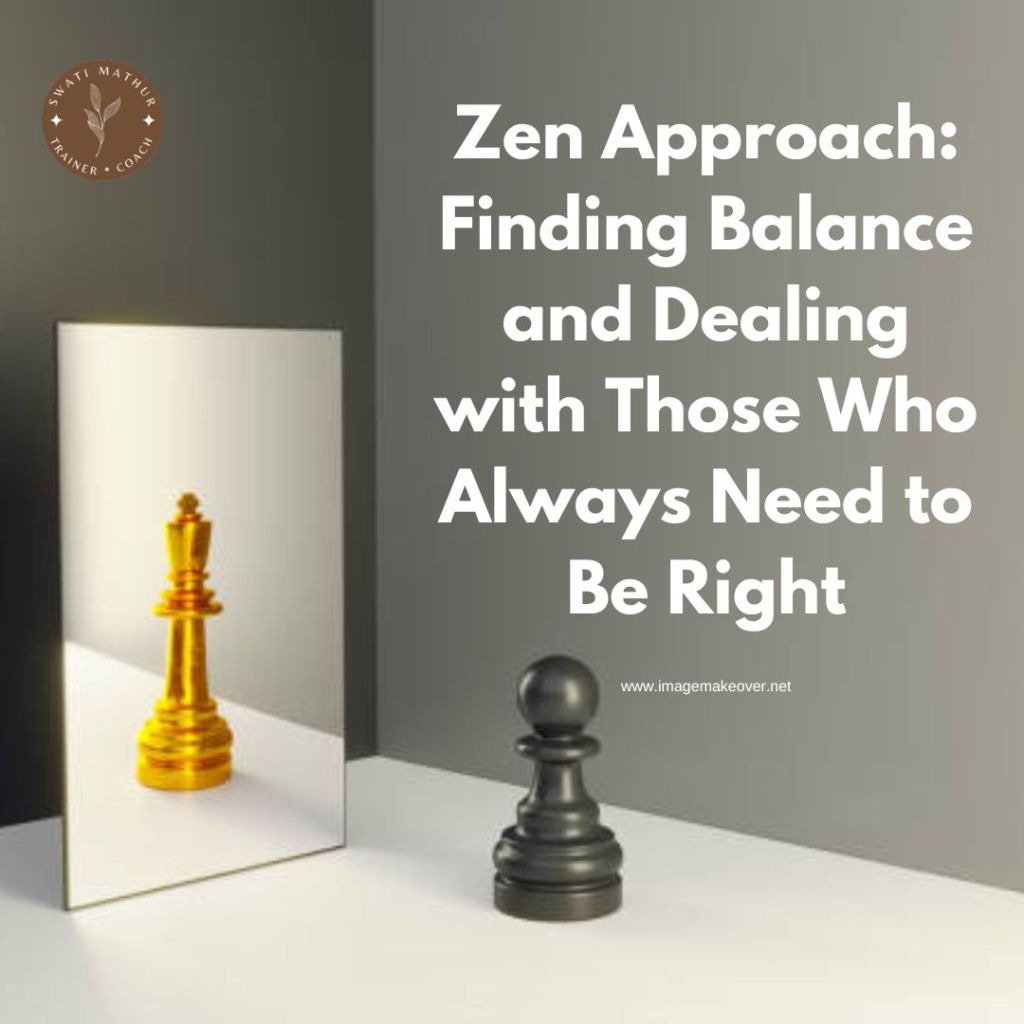




 Imagemakeover